
EcoPerspectives Blog
Extending Emergency Preparedness to Farm Animals
By Karianne Morrissey
July 6, 2020
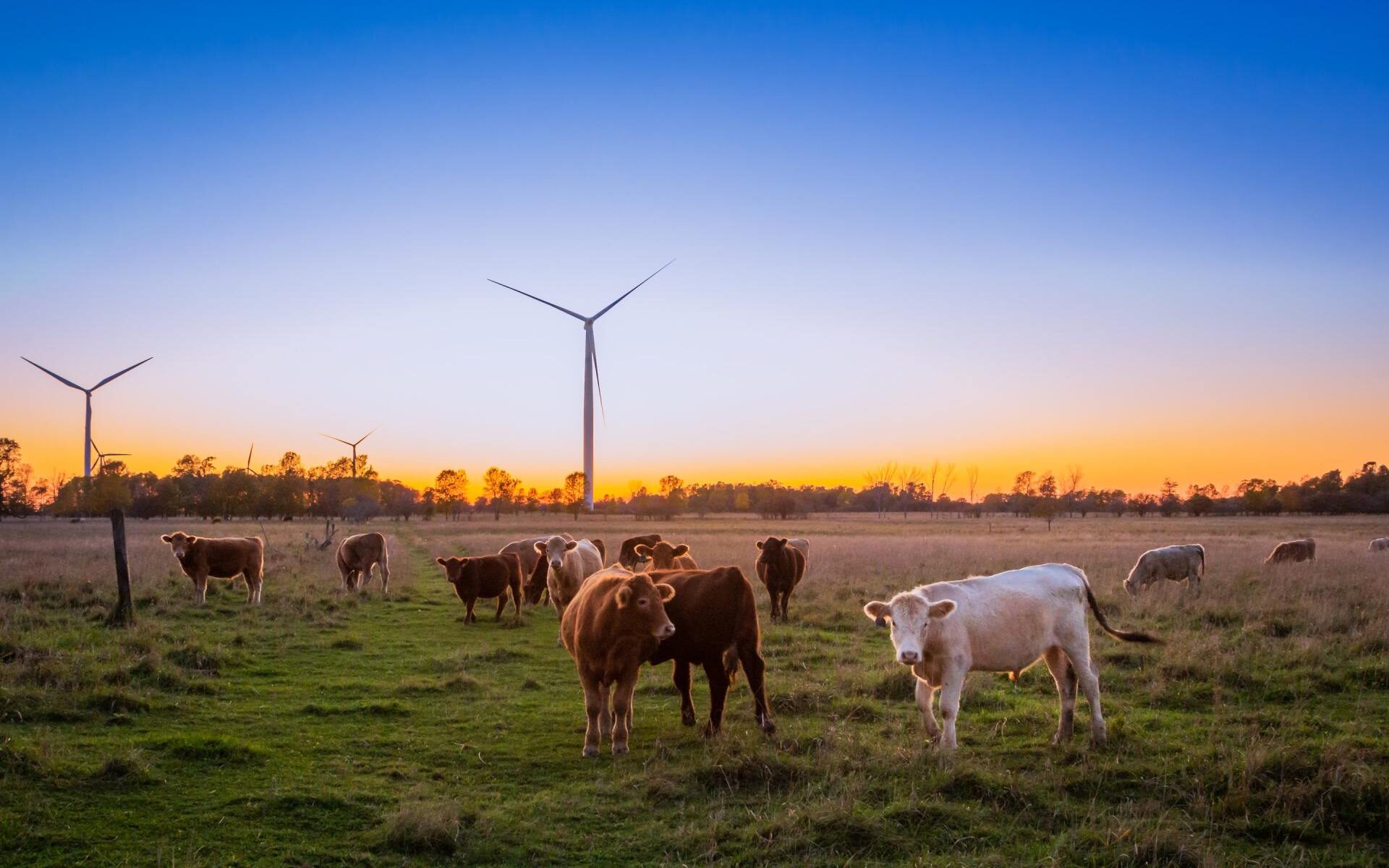
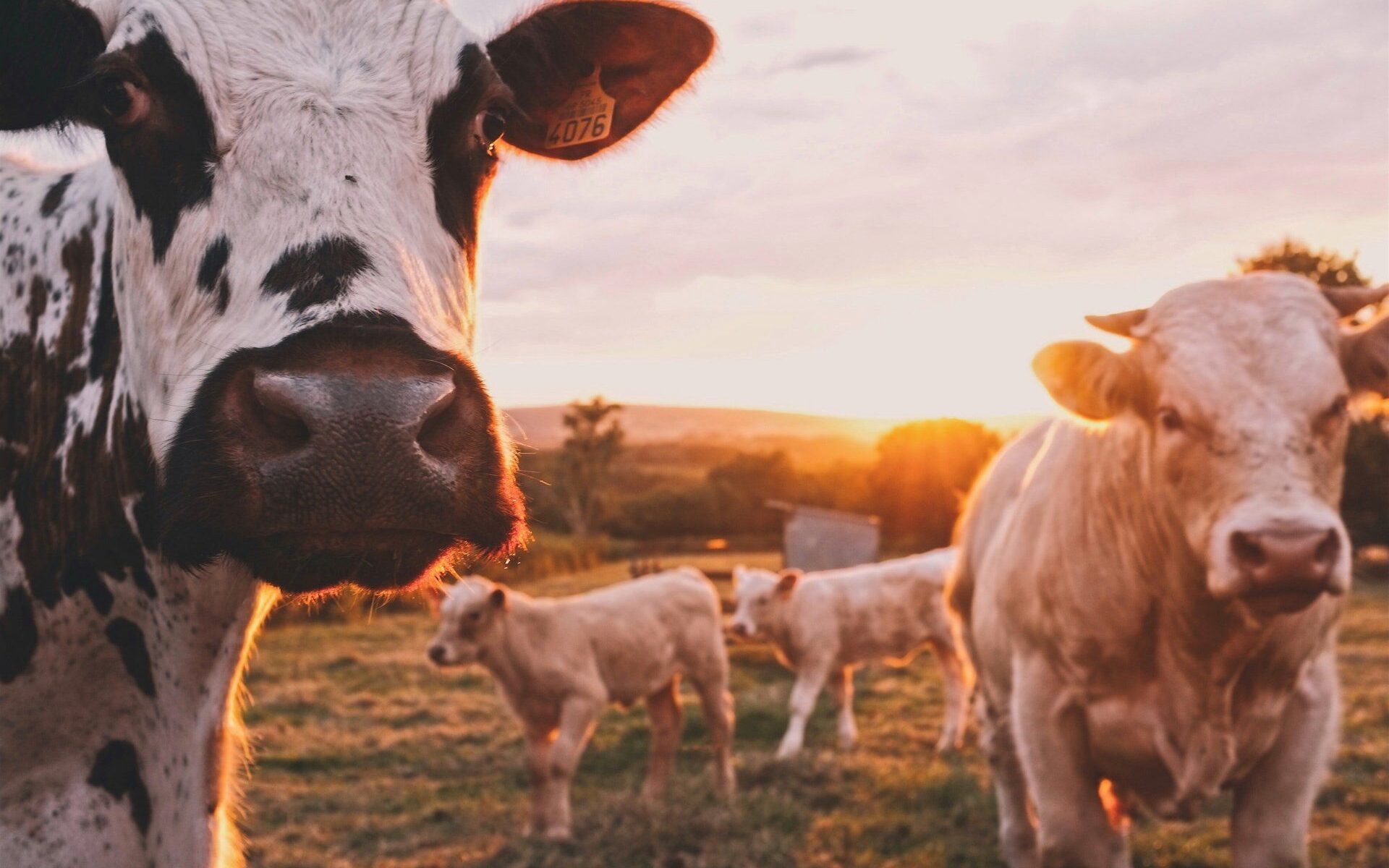
The ongoing threat of climate change leads to an increasing number of disasters every year. Animal agriculture is one of the drivers contributing to the acceleration of global warming. [1] In the United States, the current emergency preparedness legal frameworks, at both the state and federal levels, are inadequate. The framework provides exceptions for domestic pets and service animals but not farm animals. Farm animals are rarely beneficiaries of such provisions making them and the communities in which they live more vulnerable to the detrimental impacts of climate change. This gap is a persistent injustice to farm animals who are also at risk of pain, suffering, distress, habitat destruction and displacement, and the communities of which they are members. A proposed approach to the problem of animal suffering not adequately addressed under existing law is to extend public health emergency and disaster preparedness and resilience frameworks to farm animal communities drawing on the model crisis standards of care. [2] These standards would help to mitigate and palliate animal pain, suffering and distress in escalating climate-driven disasters and foster human-animal post-disaster resilience.
The current federal disaster preparedness scheme does not, in application provide for the protection of farm animals in the event of a disaster. The three acts that work together to form the current federal disaster plan are the Pets and Transportation Standards Act (PETS), the National Response Framework (NRF), and the Post-Katrina Emergency Management Reform Act (PKEMRA). [3] The PETs Act gives the Federal Emergency Management Agency (FEMA) the authority to reimburse the state emergency preparedness plans that include animals. [4] However, the PETS Act does not include farm animals. [5] The NRF is a guide for FEMA on how to respond in disasters and calls for the emergency staff to consider those who are responsible for animals. [6] This includes farm animals and livestock. [7] The PKEMRA allows FEMA to provide assistance to local governments before the state governors request aid. [8]
Under this scheme, the federal government’s relief in the event of a disaster is discretionary. [9] Congress determines the annual budget for FEMA. [10] Additionally, the president must declare a federal disaster to trigger FEMA’s authority. [11] This leaves the disaster preparedness plans vulnerable to the politics of government. The states must have their own disaster preparedness plans to receive supplemental funds from FEMA. [12] But, there is no requirement that the state must include animals in their preparedness plan. While FEMA calls for the consideration of domestic and farm animals in disaster preparedness, [13] in application they are left at the mercy of the states to protect them in emergencies or disasters.
The scope and magnitude that disasters have on communities should be addressed under public health law. Under public health law, the states must create guidelines that improve the health and well-being of community members, which includes farm animals. In 2009, at the direction of the Department of Health and Human Services, the Institute of Medicine issued the Crisis Standards of Care (CSC) which are guidelines for state and local governments. [14] These guidelines have a palliative care component. [15] The palliative care component includes elements, such as palliative care in disaster response plans, pain management, and assistance to reduce distress. [16] The palliative care component could be extended to create protections for animals in disasters. These palliative care standards would extend to animals who are sick as a result of catastrophes or those that are in pain and suffering.
It is clear now more than ever that disaster and emergency events affect all members of the communities in which we live. Farm animals are among those members and deserve to be given greater protections under the law in the event of disasters and emergencies.
[1] Lisa Winebarger, Standing Behind Beastly Emissions: The U.S. Subsidization of Animal Agriculture Violates the United Nations Framework Convention on Climate Change , 27 Am. Int’l L. Rev. 991, 1007 (2012).
[2] Inst. Of Medicine, Crisis Standards of Care: A Systems Framework for Catastrophic Disaster Response, 1 (Dan Hanfling, et al., eds.) (The National Academies Press (2012), https://commed.vcu.edu/IntroPH/2012/crisisManagement_IOM.pdf.
[3] Pets Evacuation and Transportation Standards Act, Pub. L. No. 109-308, 120 Stat. 1725 (2006) ; Pub. L. No. 109-295, tit. VI, 120 Stat. 1355, 1394 (2006); Pets Act (Faq), am. Veterinary med. Ass’n, https://www.avma.org/KB/Resources/Reference/disaster/Pages/PETS-Act-FAQ.aspx (last visited Mar. 25, 2020).
[4] Erica LaVoy, The Pets Act and Beyond: A Critical Examination of the Pets Act and What the Future of Disaster Planning and Response for Animals Should Be , Mitchell Hamline L.J. Pub. Pol’y & Prac. 67, 71 (2019).
[6] U. S. Dep’t. of Homeland Sec., Nat’l Response Framework (2009), https://www.fema.gov/media-library-data/1582825590194-2f000855d442fc3c9f18547d1468990d/NRF_FINALApproved_508_2011028v1040.pdf.
[8] LaVoy, supra note 11, at 73.
[9] Danshera Wetherington Cords, An Inflection Point for Disaster Relief: Superstorm Sandy , 35 Touro L. Rev. 925, 929, 926 (2019).
[12] Paige Chretien, Discretion Bites: The Current State of Animal Emergency Planning, 8 SAN DIEGO J. OF CLIMATE & ENERGY L. 250, 263 (2017).
[13] U. S. Dep’t. of Homeland Sec., Nat’l Response Framework (2009), https://www.fema.gov/media-library-data/1582825590194-2f000855d442fc3c9f18547d1468990d/NRF_FINALApproved_508_2011028v1040.pdf.
[14] Inst. Of Medicine, Crisis Standards of Care: A Systems Framework for Catastrophic Disaster Response, 1 (Dan Hanfling, et al., eds.) (The National Academies Press (2012), https://commed.vcu.edu/IntroPH/2012/crisisManagement_IOM.pdf.
The post EXTENDING EMERGENCY PREPAREDNESS TO FARM ANIMALS appeared first on Vermont Journal of Environmental Law.



 meeting. This session is called
  aris Agreement
 rsaw International Mechanism on Loss and Damage
