

Justice and Equity in Community Forestry: An Enigmatic Dogma?
By Aayush Gautam[1]

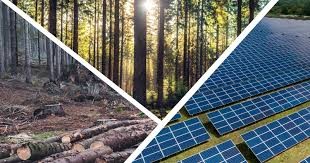
In 1987, the Brutland Commission offered the world a new vision with the report “Our Common Future”: a development that meets present needs without compromising the future.[2] This gave rise to a new domain of developmental approach, the concept of “Sustainable Development”, which gained global prominence in the early 1990s.[3] With this came a wave of participatory natural resource management, an ethos grounded in local empowerment and ecological sustainability. Around the globe, countries began embracing models that placed communities as a frontier of development and environmental stewardship.

Nepal, a readily accepting nation for the global initiatives, rode this global wave with legal acceptance in the forestry sector giving legality to the Community Forestry (CF), which later became one of the most acclaimed environmental governance models in the country.[4] However, community-based forest management in Nepal had already taken root in earlier decades, under state-led programs such as Panchayat Forest and Panchayat Protected Forest under the legal provision of Forest Act, 1961.[5] While these earlier models were framed under the centralized Panchayat governance structure, they offered a glimpse of local involvement in forest care and use.

By the early 1990s, this evolved into a nationwide movement. Community Forests, now legally recognized and supported by formal policies, became one of the most acclaimed environmental governance models in the country. Fast forward to today, over 23,000 Community Forestry User Groups (CFUGs) manage approximately 2.58 million hectares, accounting for more than 36% of Nepal’s forest area.[6]

Community Forests: Beyond the canopy

The journey of CFs is, by many measures, a success story. Did CFs help reestablish depleted forest cover that had been lost in the 1970s and 80s? Yes. Did they support livelihoods and reduce dependency on state-managed resources? Yes. Did they strengthen local relationships and collective action? Yes. Did they inject value into local economies and into the national economy as a whole? Yes. But as in most complex social endeavors, bold “Yes” or “No” answers rarely capture the full picture. There is often a blurry line between the two sides of yes and no.

For example, while community forestry successfully restored forest cover, a critical examination is required: : What is the actual meaning of forest restoration? Is it just the visual recovery of the tree stands and increased forest cover? Or the regeneration of a healthy, functional forest ecosystem? Much of Nepal’s CF’s success has focused on reestablishing lost forest cover, but issues of monoculture plantation, the growing threat of wildfires, biodiversity loss of often ignored flora and fauna cast doubt on the ecological robustness of this restoration. Similarly, CFs were initially established to meet local sustenance needs, especially in Nepal’s mid-hills, where fuelwood was essential for cooking. But has CF governance evolved to meet the changing aspirations of communities whose energy needs, economic goals, and demographic dynamics have shifted? Theat remains an unreached terrain of answered geography.

However, caution to the readers, this article does not aim to glorify the pessimistic views presented to downplay CF’s notable achievements. Romanticizing or vilifying the participatory model misses the nuances of interpretation. The goal of this piece is to reflect honestly upon the scenario, on the dimensions of social justice and equity, which often remain buried beneath the roots of a tall standing forest canopy.

Story of the Musahar Community Forest[7]

The Musahar Community Forest is located at the confluence of Khairmara and Madiya river in Ward No. 10 of Bardibas Municipality, Mahottari district. With an area of 36 Hectares, it serves as a vital resource for its users, which provides both ecological benefits and livelihood opportunities. During the early 1980s, local communities from Gausala (south of the forest) felled the forest trees for agricultural purposes, starting a feud with the forest authorities. In the early 1990s, the forest was covered with overgrown bushes, which were cleared by the Musahar community and subsequently planted with fruit trees. Mangoes, jackfruit, citrus, and litchi trees were introduced in about 14 hectares of land. “Each of the 37 households planted 32 fruit trees in the forest completing almost 2000 fruit trees plantation in 1996” – says Dev Narayan Yadav and Ramchandra Sada.

The sale of mangoes through contracts brought an annual average income of almost 0.5 million (all financial figures written in Nepali rupees, NRS). The community already have provided assistance of almost 2 million in social and infrastructure development initiatives like roads, electricity, drinking water, and hospitals. “We were providing monthly salary of 49 thousand to four teachers of Musahar and Yadav community in the nearby school” – says one of the members in the meeting of the user groups. The hand-over of the community forest soon became a transformative initiative in enhancing both ecological and social well-being.

Nonetheless, things gradually took an unprecedented turn. Tensions began to rise among and within the community once lucrative income from the mangoes sales became apparent. Initially managed by the marginalized Musahar and Tamang communities, the CF soon faced demand for inclusion from communities like Koiri, Yadav, and Mahato households. These disputes led to divisions among community members, fueled by historical grievances and socio-political dynamics. “Whenever the meetings were held, disputes arose, and after that, forest officials stopped attending the meetings” – says Ram Babu Mahato in the user group meeting.

Internal tensions, coupled with allegations of financial mismanagement, also made Mangoes’ contract inconsistent and on the brink of closure. Total earnings from the sales were overshadowed by the Secretary of the committee, with significant amount left unrecorded and unaccounted for. This exacerbated mistrust among users. Consequently, the financial discrepancy is being watched by the Commission for the Investigation of Abuse of Authority (CIAA), the bank account has been frozen, and the salaries of the teachers have not been paid for five months. The forest’s exemplary transformation to the community-managed resource spectacle devolved into a state of stalemate and governance fiasco.

Reflection and Conclusion

The issue in the Musahar CF is not an isolated case. It is a reflection, sometimes a warning, of deeper structural issues in community forests across Nepal. Power asymmetries, weak institutional safeguards, and selective participation often overshadow the ideals.

One of the female CFUG secretaries in Kavrepalanchowk district of central mid-hill region says, “I’m in the committee just as a mud statue. They tell me to sign a decision or a cheque, so I do. I don’t know what they do or how they do it. They say nothing will happen.” In the name of obligatory representation, it is a symbolic inclusion, a common practice across many CFUGs. We cannot deny that the “pseudo-participation” seen here is not mirrored in countless community-based forest governance, where decisions are made behind the back and marginalized voices are reduced to a mere signatory.

If Nepal’s community forestry model is to thrive ecologically and ethically, it must go beyond the practice of merely planting trees and sharing resources based on legal provisions. It must redistribute power, recognize structural inequalities, and represent all voices fairly, especially those of the marginalized ones. Because in the end, a community forest is more than just a patch of trees. It is a social contract, and its health depends as much on its canopies as on the justice rooted beneath it.

[1] Aayush Gautam is a forestry researcher working at the intersection of forest science, governance, and forest-based enterprise development in Nepal. He holds a Master of Science in Forestry (Gold Medalist) from Tribhuvan University and has a background in applied research, policy analysis, and field-based forest management.

[2] See Our Common Future, Rep. Of the World Comm’n on Env’t and Dev., U.N. Doc. A/42/427 (1987).

[3] . History of SD, Sustainable Development Commission, https://www.sd-commission.org.uk/pages/history_sd.html (last visited Oct. 5, 2025).

[4] Forrest Act, 2049 of 1993; see also G. C. Dhruba Bijaya, et.al., Community Forestry And Livelihood In Nepal: A Review, The Journal of Animal & Plant Sciences (2016), https://www.thejaps.org.pk/docs/v-26-01/01.pdf.

[5] Pramod Ghimire & Uchita Lamichhane, Community Based Forest Management In Nepal: Current Status, Successes and Challenges, Grassroots Journal of Natural Resources (June 20, 2020), https://www.researchgate.net/publication/342501024_Community_Based_Forest_Management_in_Nepal_Current_Status_Successes_and_Challenges.

[6] Nepal’s Community Forest Groups: Incubators of Democracy, Community Conservation (July 2, 2025), https://communityconservation.org/nepals-community-forest-groups-incubators-of-democracy/; see also Hari Krishna Laudari, et.al., Community forestry in a changing context: A perspective from Nepal’s mid-hill, 138 Land Use Policy (Mar. 2024), https://www.sciencedirect.com/science/article/pii/S0264837723004842.

[7] Some assertions are from the Author’s experience during a field visit to the Musahar Community Forest. The field visit was conducted in June 2025 and involved direct observation, participation in user group meetings, and discussions with community forest user group members and local residents. The following account draws on these field interactions and community testimonies.
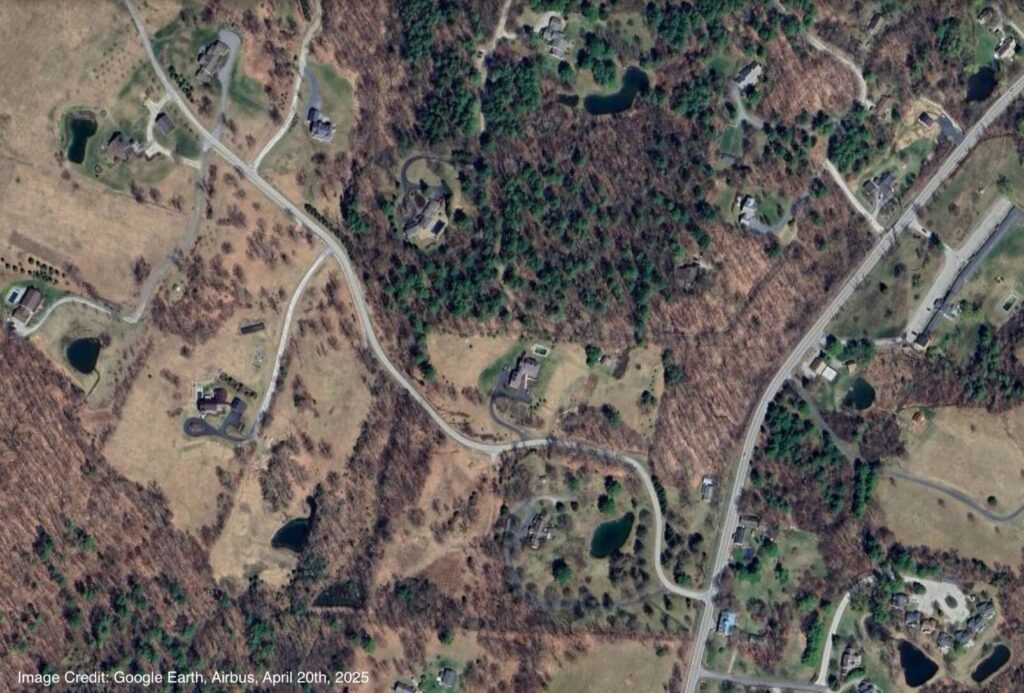
Can You Dig It? Artificial Pond Construction in Vermont
By Dane Whitman

“What I have observed of the pond is no less true in ethics. It is the law of average.”[1]

In 1901, the Harvard Law Review published an article stating, “[a]lthough comparatively little has as yet been written about the law of ponds, the decisions are hopelessly confused.”[2] One could argue that, since then, ponds continue to attract relatively little attention in the field of environmental law. Rather than perform an extensive review of the “law of ponds” (previously attempted by Samuel Warren and Louis Brandeis in the 1889 edition of Harvard Law Review),[3]  this blog post will explore a narrower topic: artificial pond construction in Vermont.

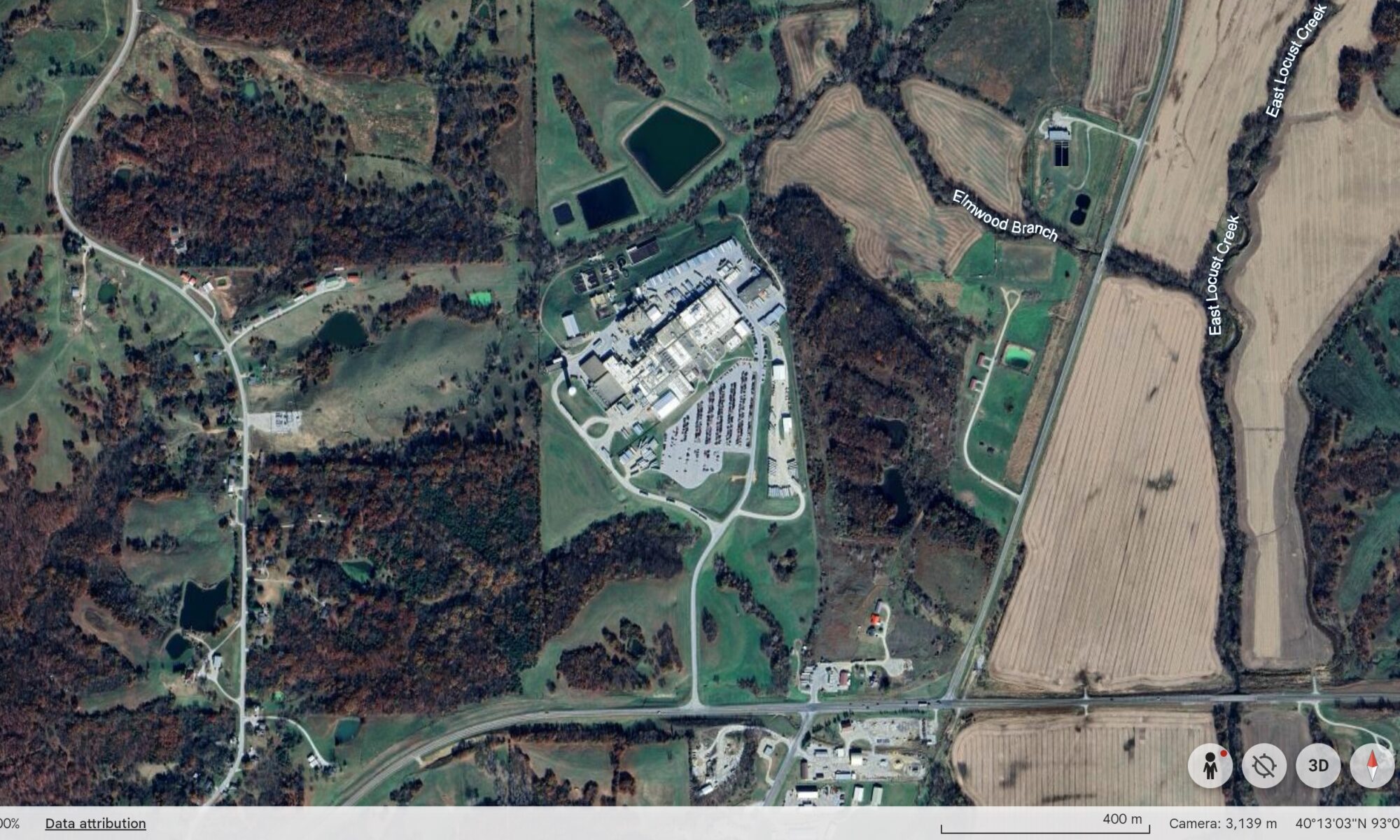
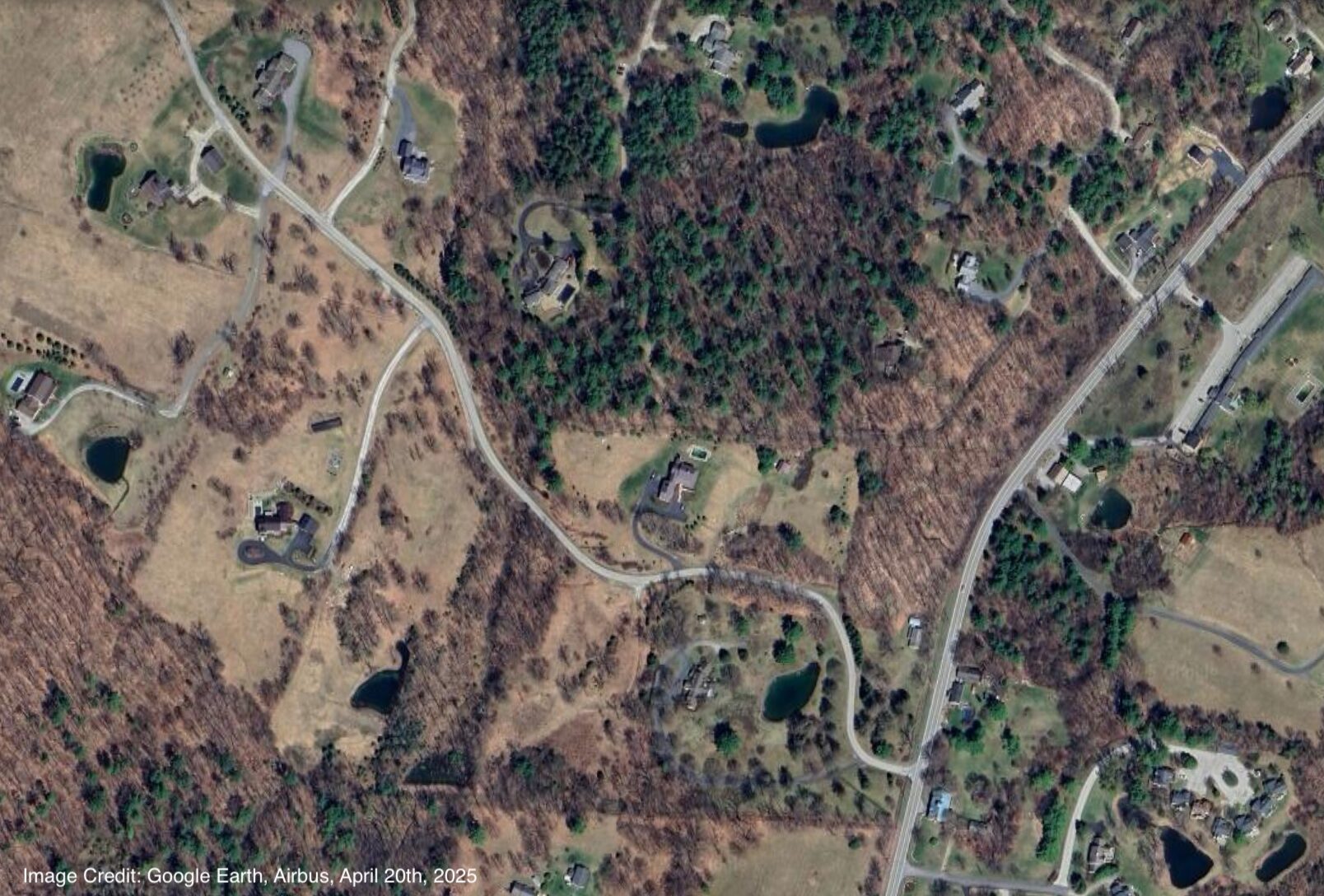
Vermont is home to “hundreds of small ponds, many of which provide a great habitat for plants, animals, and people.”[4] Satellite images over Vermont (such as the title image) reveal a landscape sprinkled with countless kidney-bean-shaped pockets of water seemingly unconnected to natural waterways.[5] Are these pools the result of lawless backwoods excavations? Or are backyard ponds evidence of Vermonters exercising their property rights to improve the local ecosystem? An overview of Vermont’s legal landscape suggests that there are both environmental opportunities and considerable risks regarding artificial ponds.

One example of a Vermont homestead utilizing artificial ponds for environmental benefits is Whole Systems Research Farm in the Mad River Valley.[6] The farm’s owner, Ben Falk, excavated a pond that catches rainwater and snowmelt from the upper portions of the property and then irrigates a series of terraced rice paddies.[7] The pond serves as a “bathroom” for his domestic ducks, and therefore the pond water irrigating the rice paddies is “rich in nutrients.”[8] The two small paddies are scaled for subsistence farming, producing enough rice “to satisfy the grain needs of a family of four.”[9]

Amy Siedl, a biologist and lecturer at the University of Vermont, has cited Falk’s farm as a model for climate adaptation.[10] Seidl has suggested that, given the Northeast’s increasing precipitation from climate change, artificial pond systems such as Falk’s are well-suited to capture rain from these events.[11] For example, Falk’s rice crop “thrives” during historic rain events, such as Hurricane Irene, whereas many of Vermont’s corn farmers have struggled with increasingly wet soil conditions.[12]

The remarkable potential of these artificial ponds begs the question: are they legal? Most prudent property owners might be intimidated by the prospect of renting an excavator and breaking ground without performing due diligence. Fortunately, Vermont regulators provide guidance (often accompanied by disclaimers of liability) for property owners to dig ponds that are structurally safe and environmentally sound.

To some extent, Vermont law supports property owners to construct artificial ponds. For example, Vermont’s statutes expressly allow property owners to stock and harvest fish from “artificial ponds.”[13] This requires, however, that “the sources of water supply for such pond are entirely upon his or her premises or that fish do not have access to such pond from waters not under his or her control . . . .”[14] In essence, this statute facilitates backyard fish farming, also known as “aquaculture.”[15]

Vermont’s administrative agencies also provide ample guidance for property owners who wish to excavate and manage artificial ponds on their property. Some of this guidance is practical, ranging from siting considerations; water supply needs; various depth requirements for fish versus waterfowl; which kinds of ponds require engineering consultation; and even a directory of excavation contractors.[16] The State also points potential pond owners to information regarding the best fish to stock, a list of native plants to prevent erosion, methods to maintain water quality for swimming, and how to optimize bird watching potential.[17]

While state resources appear to enable (if not encourage) pond construction, these materials also carry a strong dose of caution. Any pond “capable of impounding more than 500,000 cubic feet of water” will essentially constitute a dam requiring approval by the Department of Environmental Conservation.[18] For some perspective, a person could cover an acre of land with an 11-foot deep pond and still be shy of 500,000 cubic feet of water.[19] The Department explains, however, that even dams for small backyard ponds “are significant structures that can have major public safety and environmental implications.”[20] A variety of local, state, and federal laws can affect dam ownership, and more information can be found on Vermont’s Dam Safety Program website.[21]

Based on the specifics of a project, a suite of other regulatory entitles may also have a stake in your pond construction. Any construction that impacts a stream may require a stream alteration permit with Vermont’s River Management Program.[22] Any pond work that comes within fifty feet of a wetland may require a permit through Vermont’s Wetlands Program.[23] Other considerations include rare, threatened, and endangered species; fish and wildlife; local zoning bylaws; Vermont’s Act 250; historic or archaeological significance; and Vermont’s water quality standards.[24]

Of course, a great variety of tort and property law claims could also involve a pond. One illustrative case dates back to 1909, when a plaintiff successfully argued that mosquitos breeding behind a newly constructed dam caused him and his family to contract malaria.[25] While this was a Georgia case, the court’s words of wisdom apply to any Vermonter hoping to stay a good neighbor while constructing a new pond:

[I]n the construction of dams and in the backing of water they must choose their sites with due regard to the surroundings. They are not authorized to maintain stagnant ponds, polluted pools of water, or places in which mosquitoes breed, in unusual numbers to the endangering of the health of surrounding communities.[26]

Artificial ponds may provide an immediate opportunity for Vermont’s property owners to enhance biodiversity, climate resiliency, and land productivity on a hyper-local scale. Property owners should, however, perform due diligence to mitigate any potential environmental, public health, or safety issues associated with pond construction and maintenance. Nonetheless, it may be well worth the effort to hear choruses of frogs singing through the night; to watch birds inspecting the shoreline; or to ponder over schools of fish—all thriving because somebody dug a hole in the right place.

[1] Henry David Thoreau, Walden 188 (1854).

[2] Note, Rights in Public Ponds, 15 Harv. L. Rev. 68, 68 (1901).

[3] See generally Samuel D. Warren & Louis D. Brandeis, The Law of Ponds, 3 Harv. L. Rev. 1 (1889).

[4] Private Ponds, Agency of Nat. Res. Dep’t. of Env’t. Conservation, https://dec.vermont.gov/watershed/lakes-ponds/private-ponds (last visited Sept. 17, 2025).

[5] Image Credit: Google Earth, Airbus, (Apr. 20, 2025).

[6] Whole Systems Research Farm, Whole Systems Design, https://www.wholesystemsdesign.com/project-wsd-research-farm (last visited Sept. 17, 2025).

[7] Adam Regn Arvidson, Post-oil Groceries, 101 Landscape Architecture Mag. 54, 54 (2011).

[8] Id.

[9] Id.

[10] Audrey Clark, Facing Climate Change: Collapse or adaptation? Biologist Says Humans Can Adjust to Warmer World, vtdigger, (June 30, 2013), https://vtdigger.org/2013/06/30/facing-climate-change-collapse-or-adaptation-biologist-says-humans-can-adjust-to-warmer-world/.

[11] Id.

[12] Id.

[13] 10 V.S.A. § 5210.

[14] Id.

[15] George Devault, Small Scale Backyard Fish Farming, MOTHER EARTH NEWS, (Dec. 30, 2023), https://www.motherearthnews.com/homesteading-and-livestock/backyard-fish-farming-zmaz06amzwar/.

[16] Agency of Nat. Res. Dep’t of Env’t Conservation Water Quality Div., Vermont Pond Construction Guidelines (2006), https://anrweb.vt.gov/PubDocs/DEC/WSMD/Lakes/Docs/lp_pond-construction.pdf.

[17] Private Ponds – Pond Construction, Agency of Nat. Res. Dep’t of Env’t Conservation, https://dec.vermont.gov/watershed/lakes-ponds/private-ponds/private-ponds-pond-construction (last visited Sept. 17, 2025).

[18] 10 V.S.A. § 5210.

[19] Agency of Nat. Res., supra note 17.

[20] Private Ponds: What You Should Know About Constructing a Pond Or Dam, Agency of Nat. Res. Dep’t of Env’t. Conservation https://dec.vermont.gov/sites/dec/files/wsm/lakes/Ponds/Constructing%20a%20Private%20Pond%20Update.pdf (last visited Sept. 17, 2025).

[21] Id.

[22] Id.

[23] Id.

[24] Id.

[25] Towaliga Power Co. v. Sims, 65 S.E. 844, 845 (Ga. Ct. App. 1909).

[26] Id.


Making it Personal: The Role of Wrongful Death Lawsuits in Climate Change Litigation
By Grace McGuire

Climate change litigation involves many players but follows a familiar script. Plaintiffs stake a variety of injuries on rising sea levels, loss of biodiversity, and the increased global temperatures that stem from man-made climate change.[1] Landmark decisions like Massachusetts v. EPA have sharpened claimant’s ability to hold regulatory agencies accountable for setting strict standards on greenhouse gas emissions.[2] States and municipalities have followed suit, asserting state-law claims against individual fossil fuel companies to retrieve funding for climate mitigation and adaptation.[3] More recently, investigative journalism has ushered in a “second wave” of climate litigation.[4] With an arsenal of evidence revealing fossil fuel companies knew of the climate disasters they were creating, plaintiffs may find redress under state statutes that protect against false representation.[5]

A plaintiff in Washington State recently brought a claim for wrongful death using this framework. On May 29, 2025, Leon filed suit in the Superior Court of Washington for King County.[6] She seeks to hold six companies responsible for the death of her mother, Juliana Leon, who died from heat stroke while driving in an unairconditioned car during the 2021 Pacific Northwest heat dome.[7] Leon claims fossil fuel giants ExxonMobil, Chevron, Shell, and others “knew that a growing scientific consensus linked the continued proliferation of their fossil fuel products to ‘severe’ consequences.”[8] According to Leon, the companies’ failure to publicly link their products to global effects like heat domes is the proximate cause of her mother’s death.[9] Leon requests compensatory damages, a jury trial, and the equitable relief of a public education campaign designed to “rectify Defendant’s decades of misinformation.”[10] But, the plaintiff does not ask the court to enjoin defendants from halting or regulating any fossil fuel activities.[11]

Wrongful death suits are rare in climate litigation.[12] This scarcity stems from the significant hurdle plaintiffs face in proving greenhouse-gas emissions caused tangible harm.[13] The merit of wrongful death lawsuits may lie instead in public shock-value and potential to generate state lawmaking. These suits also represent the first wave of climate-based tort law, which may mature into a framework with judicially manageable.[14]

From the Washington Court’s perspective, Leon’s claim presents several barriers. Defendant oil companies will argue that Leon’s complaint falls outside the “zone of interest” or is otherwise too attenuated to proceed.[15] In evaluating standing, the Washington Court might look to neighboring states for support. In 2024, the Montana Supreme Court upheld a finding that plaintiffs’ injuries from inadequate state regulation of greenhouse gas emissions were “fairly traceable” to the results of climate change.[16]  Importantly, the Montana State Constitution provides for a statutory right to a “clean and healthful environment.”[17] The Montana Supreme Court used this constitutional right to find that the plaintiffs had standing.[18] In contrast, Leon’s complaint seeks relief under RCW 4.20.010, Washington’s wrongful death statute.[19] The statute provides for the “economic and noneconomic damages sustained by the beneficiaries . . .[w]hen the death of a person is caused by the wrongful act, neglect, or default of another person . . . .”[20] Accordingly, the Washington Court must decide whether the death of Misti Leon is within the “zone of interest to be protected or regulated” by the wrongful death statute.[21]

Is the failure of fossil fuel companies to disclose the negative effects of their products within the scope of Washington’s wrongful death statute? Unlike the constitutional right to a clean environment in Montana, the wrongful death statute turns on ambiguous terms, such as “wrongful act” and “neglect.”[22] But, the Court may “relax [the standing] requirements when a matter of substantial public importance would otherwise evade review.”[23] The Court may be hesitant to grant standing considering the challenging motions sure to follow.[24]

The next hurdle for Leon’s claim lies in the Washington court’s application of the wrongful death statute. The Washington Supreme Court states that a wrongful death claim must have a “subsisting cause of action” before it accrues upon the decedent’s death.[25] It follows that Leon must prove her mother had a cause of action against the fossil fuel companies during her lifetime. Leon’s complaint provides a litany of deceptive behavior but does not allege that her mother had an ongoing claim against the companies.[26]

Considering this factual deficiency, Leon’s claim may not survive on the merits. So, why bring it in the first place? For one, lawsuits like Leon’s get the nation talking. The death of a mother driving home during an outrageous heat episode asks readers to consider how severe weather pattern shifts may affect our loved ones. Widely broadcasted wrongful death suits encourage state legislatures to consider laws that protect citizens against the effects of climate change. Montana’s state constitution is proof that states can draft laws providing environmental rights to citizens. While wrongful death suits may not fit squarely within state jurisprudence today, it is certain that climate-change tort litigation represents a continuing innovation in climate change jurisprudence.[27] Regardless of what the Washington Court may decide, Leon’s lawsuit has not gone unnoticed.

1 Charleston Sues 24 Fossil Fuel Companies for Costs of Surviving Climate Change, CHARLESTON Sc (Sept. 9, 2020), https://www.charleston-sc.gov/CivicAlerts.aspx?AID=885&ARC=1720.

2 549 U.S. 497 (2007).

3 Katarina Resar Krasulova, The Unlikely Renaissance of Federal Common Law in the Second Wave of Climate Change Litigation, 13 ARIZ. J. ENV’T. L. & POL’Y 72, 75 (2022).

4 Id.

5 Id.

6 Matt Simons, Oil Companies Face First-Ever Wrongful Death Lawsuit Over Climate Change, COURTHOUSE NEWS SERV. (May 29, 2025), https://www.courthousenews.com/oil-companies-face-first-ever-wrongful-death-%20lawsuit-over-climate-change/.

7 Id.

8 Complaint at 1, Leon v. Exxon, No. 25-2-15986-8 (filed May 29, 2025).

9 Id.

10 Id. at 77.

11 Id.

12 Simons, supra note 6.

13 Krasulova, supra note 3, at 121-22.

14 Id.

15 See Wash. State Hous. Fin. Comm‘n v. Nat’l Homebuyers Fund, Inc., 193 Wash.2d 704, 711-12 (2019) (providing the two-part standing test in Washington state).

16 Held v. Montana, 560 P.3d 1235, 1261 (Mont. 2024).

17 MONT. CONST. art. II, § 3.

18 Held, 560 P.3d 1235, 1261.

19 Complaint at 71, Leon v. Exxon, No. 25-2-15986-8 (filed May 29, 2025).

20 WASH. REV. CODE § 4.20.010 (2019).

21 Grant County Fire Protection Dist. No. 5 v. Moses Lake, 145 Wash.2d at 702, 713 (2002) (quoting Save a Valuable Env’t v. City of Bothell, 89 Wash.2d 862, 866, (1978)).

22 WASH. REV. CODE § 4.20.010 (2019).

23 Wash. State Hous. Fin. Comm‘n v. Nat’l Homebuyers Fund, Inc., 193 Wash.2d 704, 712 (2019).

24 See Larson v. Snohomish County, 499 P.3d 957, 970 (Wash. Ct. App. 2021)(finding a 12(b)(6) motion to dismiss for lack of standing is the appropriate procedure when “it appears beyond doubt that the plaintiff can prove no set of facts consistent with the complaint that would entitle him or her to relief”).

25 Deggs v. Asbestos Corp. Ltd., 186 Wash.2d 716, 732 (2016).

26 Complaint at 3, Leon v. Exxon, No. 25-2-15986-8 (filed May 29, 2025).

27 Krasulova, supra note 3 at 121-22.

The Electric Vehicle Revolution: Powering an Equitable Transition
By Lakshita Dey

Electric vehicles (EVs) are powering a transformative revolution, paving the way for a cleaner, greener future. EVs offer a significant environmental advantage by eliminating the reliance on fossil fuels, but their widespread adoption faces challenges related to high costs and limited accessibility.[1] As society pushes for these technological advancements, two critical legal questions arise: are incentives working as intended, and are the benefits of these incentives distributed equitably across income groups?

Governments are accelerating EV adoption by providing tax credits and rebates, as they recognize the need to curb greenhouse gas emissions and foster a clean energy future.[2] The Inflation Reduction Act (IRA) extends tax credits for new and used EV purchases through 2032, offers credit for commercial EVs, and revives credits for charging infrastructure.[3] The IRA has demonstrated the government’s commitment to the EV transition, which has significantly boosted the market by reassuring consumers and businesses.[4] Automakers are responding by announcing massive investments in EV production.[5]

Despite these legislative efforts and progressive market shifts, equity challenges remain. The price of an EV presents a hurdle for many families. Even though the average price of an EV is falling, it is still notably higher than the price of a gas-powered car.[6] This economic reality highlights a fundamental issue of deep-seated financial barriers which hinder equitable access.  By their very nature, tax credits only benefit those with sufficient tax liability to claim them, which means that many of these incentives provide little to no direct benefit for low-income families. Consequently, the cost of EV ownership remains a financial burden, even with governmental assistance.

Beyond the purchase price, EV infrastructure presents another barrier to fair access. Owning an EV comes with the challenge of charging. Uneven geographic distribution of public charging stations furthers the lack of accessibility. Research consistently shows that residents of low-income and minority neighborhoods have significantly less access to reliable public charging stations.[7] This inequitable distribution creates “charging deserts,” making EV ownership impractical for those without consistent home charging.[8]

Solving these challenges requires an approach that addresses both the upfront costs of EVs and the inequity of charging infrastructure. Federal bills provide grants to companies that prioritize projects in rural areas and low-to-moderate-income communities.[9]  Point-of-sale rebates can solve the issue of the current tax credit model benefiting only those with sufficient tax liability.[10] This approach is more equitable because it offers a direct, immediate discount at the time of purchase, making the financial benefit accessible to all households, regardless of their tax burden. For instance, the HOMES rebate program allows for a point-of-sale rebate that provides an immediate discount on the EV’s price at the dealership, eliminating tax return[11] This shift represents a significant improvement in legislation and policy, directly addressing a key barrier to equitable access.

Alongside tax rebates, holistic strategies are essential to ensure an equitable EV transition. For example, California’s “Clean Cars 4 All” program addresses two major issues: it promotes access to clean transportation and improves local air quality by getting old, high-polluting vehicles off the road.[12] The program provides significant incentives for low-income residents who trade in their gas-powered cars for cleaner options.[13] This targeted approach promotes equitable access while also directly improving local air quality in disadvantaged communities.

Another crucial strategy is implementing community-based solutions. Specifically, EV car-sharing services provide on-demand access to electric vehicles without the burden of full ownership, insurance, or maintenance.[14] Likewise, investing in and electrifying public transportation directly benefits low-income communities by improving local air quality and providing a clean, affordable alternative to personal vehicle ownership.[15] By combining these diverse strategies, policymakers and communities can achieve a truly sustainable future, ensuring that the benefits of the EV revolution are accessible to all, not just a privileged few.

While community-based solutions are vital, they cannot succeed without an extensive upgrade to charging infrastructure. The success of the EV revolution also depends on closing the charging infrastructure gap. Federal and state governments should continue to prioritize the deployment of affordable and publicly accessible charging stations in low-income neighborhoods and rural areas.[16] To offset profitability issues, charging manufacturers can be incentivized to accept a longer return on investment for charging stations that may not be immediately profitable through tax rebates.[17] Furthermore, the state legislature could also create a subsidized charging card payment for lower-income residents to access public chargers.[18] The solution is not just about individual car ownership; it’s about providing access to clean mobility.

The legal and policy challenges of EVs demand a holistic approach that acknowledges the economic and infrastructural barriers. While the IRA and subsequent statutes represent a commitment to EV transition, achieving equitable access depends on continued legislative and community efforts. This means not just more incentives, but effective ones that are accessible and wide-reaching. Only then can the ongoing EV revolution be truly transformative, with benefits that reach everyone.

[1] C. M. Costa et al., Electrical Vehicles: To What Extent Are Environmentally Friendly and Cost Effective? – Comparative Study by European Countries, 151 Renewable and Sustainable Energy Rev.s 111548, 111550 (2021).

[2] S.P Holland et al., Decarbonizing the US Passenger Vehicle Fleet: Evidence from State and Federal Policies, 100 J. Env’t. Econ. & Mgmt. 102293, 3700-3701 (2020).

[3]  26 U.S.C. §§ 25E, 30C, 30D, 45W (2021).

[4] Id.

[5]  The “One Big Beautiful Bill Act” (OBBBA) significantly undermines equitable EV adoption by prematurely repealing core federal consumer tax credits, including I.R.C. § 30D and I.R.C. § 25E. These incentives were terminated for EVs acquitted after September 30, 2025, accelerating their sunset by up to seven years. One Big Beautiful Bill Act (OBBBA), Pub. L. No. 119-21, 139 Stat. 1 (2025). Consequently, the OBBBA ensures that EV ownership remains primarily limited to high-income consumers, directly contradicting the distributional equity goals of the IRA. Energy Innovation, The One Big Beautiful Bill Act and Other Federal Repeals Will Crash America’s EV Market, https://energyinnovation.org/podcast/the-one-big-beautiful-bill-act-and-other-federal-repeals-will-crash-americas-ev-market/ (last visited Oct. 6, 2025); Ctr. for Am. Progress, The Implementation Timeline of the One Big Beautiful Bill Act (July 29, 2025), https://www.americanprogress.org/article/the-implementation-timeline-of-the-one-big-beautiful-bill-act/ (last visited Oct. 6, 2025).

[6] Lucas Woodley et al., Electric vehicle pricing and battery costs: A misaligned Assumption?, arXiv 2403.00458, at 2 (2025), https://arxiv.org/pdf/2403.00458.

[7] See Emma Hopkins et al., Can the equitable roll out of electric vehicle charging infrastructure be achieved?, 182 Renewable & Sustainable Energy Rev. (2023).

[8] Andrew Cruden, ‘Watering’ the EV Charging Deserts and Leaving No-one Behind?, FEVER (Apr. 9, 2025), https://www.fever-ev.ac.uk/news/watering-the-ev-charging-deserts-and-leaving-no-one-behind.

[9] 23 U.S.C. § 151 (2024).

[10] Laura Roberson et al., Not All Subsidies Are Equal: Measuring Preferences for Electric Vehicle Financial Incentives, 17 Env’t. Rsch. Letters 6 (2022).

[11] 42 U.S.C.S. § 18795(a) (2022).

[12] Gregory Pierce et al., Procedural Equity in Implementing California’s Clean Cars 4 All Program, UCLA Reports 5 (2021).

[13] Id. at 4.

[14] See Morgan Rose, Electric Vehicle Car-Sharing and Secondhand Market Development in Frontline Communities in California and Europe: A Perspective through the Lens of Long-term Land Use Planning (2022).

[15] Id. at 6.

[16] Hana Creger, Clean Mobility Equity: A Playbook – Lessons from California’s Clean Transportation Programs, Greenlining Inst. (Mar. 25, 2021), https://greenlining.org/publications/clean-mobility-transportation-equity-report/.

[17] Rose, supra note 14, at 20

[18] Id.

A Power Grab: The Future of Federal Leadership in Energy Transmission Regulation
By Daniela Ricardo

In a recent onslaught of executive orders, the Trump Administration has made clear that energy is a priority.[1] Energy demand is skyrocketing, and the United States is scrambling to keep up.[2] One key factor is energy transmission. The United States’ transmission infrastructure is outdated, and it is not being built fast enough to meet projected demand.[3] Some scholars point to the decentralization of transmission regulation as the culprit.[4] Traditionally, states keep most of the siting and permitting powers of transmission lines and the federal government regulates what occurs between the states and things that concern customers.[5] A more centralized system of regulation could help resolve decongestion. Regardless of whether this is true, recent legislation and executive orders point towards the federal government having more power—but how will the government use that power?

Out of Steam: Transmission and Grid Congestion
The Department of Energy (DOE) has estimated that we need to build 5,000 miles of transmission a year to maintain grid reliability and to keep energy costs stable.[6] When there are not enough transmission lines to support the energy an area needs, it causes grid congestion.[7] Grid congestion results in higher energy prices for the end-use consumer.[8] In 2022, one report estimates that congestion costs totaled $20.8 billion.[9] In 2024, the United States built 334 miles of transmission.[10] Part of the problem with building new transmission lines is how decentralized the system is.[11] Essentially, there are too many cooks in the kitchen.

The federal government has the power to regulate rates and services of interstate transmission of electricity and wholesale electricity.[12] States, on the other hand, have the power to regulate their own electricity generation and retain control over siting and permitting.[13] The Federal Energy Regulatory Commission (FERC) makes sure that “all rates and charges made, demanded, or received by any public utility for or in connection with transmission or sale of electric energy . . . [is] just and reasonable.”[14] Entities such as regional transmission organizations (RTOs) or independent system operators (ISOs) manage wholesale electricity markets within their region.[15] FERC oversees these organizations (except for Texas’s Electric Reliability Council) to “ensure reliability and access to the electric grid.”[16] FERC and state level agencies also oversee areas without these kinds of organizations, which are managed by utilities.[17]

A Power Struggle: FERC and Legislation
In 2024, FERC issued Order No. 1920 to improve regional electric transmission planning and cost allocation.[18] The order requires each transmission planning region to partake in long-term planning for both transmission planning and generator interconnection.[19] While there is an indisputable need for more transmission infrastructure in the United States, many utilities and states argue that FERC’s order is overreaching. In a consolidated case against FERC, utilities and states challenged FERC, accusing it of not addressing “legitimate requirements under the [Federal Power Act] like ensuring just and reasonable rates or reliability.”[20] They also claim that FERC’s plan is broader in scope than what Congress has authorized.[21] If the plaintiffs succeed, FERC’s mission will be derailed. A recent Third Circuit decision, however, sided with FERC’s vision.[22]

In Transource Pennsylvania v. DeFrank, the Circuit Court affirmed the lower court’s decision that the Pennsylvania Public Utility Commission (PUC) could not deny Transource’s application to build new electricity transmission lines because it “posed an obstacle to federal objectives.”[23] The federal objective in this case is relieving regional grid congestion.[24] However, the PUC benefits from grid congestion; the congestion means higher energy costs for Maryland, Virginia, West Virginia, and the District of Columbia, and lower costs for Pennsylvania. Less grid congestion would alleviate some states’ energy costs while increasing Pennsylvania’s energy costs.[25] PJM Interconnection, the RTO in the region, approved Transource’s plan without considering this factor in its cost-benefit analysis.[26] When the PUC received Transource’s siting application, it accounted for Pennsylvania’s increased energy costs in a separate cost-benefit analysis and rejected the application.[27] It also determined that the new plan was not needed.[28] The courts held that the PUC could not use a different metric to reject the application.[29] Because FERC had deemed the new transmission lines would help relieve grid congestion, which could “adversely affect customers,” the courts sided with Transource.[30]

Some think that the Third Circuit’s recent decision could push states into cooperating with FERC.[31] After all, when FERC revised Order 1920, it required transmission owners to involve states in long term planning.[32] Recent executive orders paint a different picture.

The Lights are on, but Nobody’s Home: Federal Energy Policy
Despite the federal government’s increasing power in transmission regulation, federal energy policy does not reflect a cohesive vision. In “Strengthening the Reliability and Security of the United States Electric Grid,” President Trump directed the Secretary of Energy to evaluate the energy grid and to develop a protocol that analyzes resource adequacy and expedites orders under Section 202(c) of the Federal Power Act.[33] This section of the Federal Power Act applies only in the short term, however.[34] The Department of Energy’s subsequent report identified a supply shortfall.[35] Despite there being upwards of 2,000 GW worth of energy in the interconnection queue, the report estimates that only 209 GW will be connected by 2030.[36] The report subsequently received criticism for making far reaching assumptions and for “overlooking state and RTO planning tools.”[37]

The Trump Administration’s recent actions do not reflect a prioritization of energy.[38] Several executive orders are expressly hostile to clean energy.[39] DOE recently rescinded a $4.9 billion conditional loan into the Grain Belt Express, a transmission line which plans to transport electricity generated by wind farms.[40] This conflicts with the Trump Administration’s explicit energy policy. Why cancel a loan for a transmission project when there is an energy crisis? The Trump Administration’s energy policy doesn’t prioritize transmission infrastructure. If the U.S. is a resource shortfall and grid congestion is increasing, undercutting transmission projects is counterintuitive. Even though the federal government’s power over transmission energy is increasing, a lack of cohesion in energy policy implies that the federal government will not wield this power effectively.

[1] Declaring a National Energy Emergency, 90 Fed. Reg. 8433 (Jan. 29, 2025); Unleashing American Energy, 90 Fed. Reg. 8353 (Jan. 29, 2025).

[2] New Report Reveals U.S. Transmission Buildout Lagging Far Behind National Needs, Am. for a Clean Energy Grid (July 23, 2025), https://www.cleanenergygrid.org/new-report-reveals-u-s-transmission-buildout-lagging-far-behind-national-needs/.

[3] Id.

[4] Josiah Neely & Devin Hartman, State Permitting Challenges: Electric Transmission, Real Sol. (July 30, 2024), https://www.rstreet.org/commentary/state-permitting-challenges-electric-transmission/.

[5] Fed’l Energy Regul. Comm’n, Energy Markets (2025).

[6] New Report Reveals U.S. Transmission Buildout Lagging Far Behind National Needs, supra note 2.

[7] Doying et al., Transmission Congestion Costs Rise Again in U.S. RTOs, Grid Strategies 2 (2023), https://gridstrategiesllc.com/wp-content/uploads/2023/07/GS_Transmission-Congestion-Costs-in-the-U.S.-RTOs1.pdf.

[8] Id.

[9] Id.

[10] Id.

[11] Josiah Neely & Devin Hartman, State Permitting Challenges: Electric Transmission, Real Sol. (July 30, 2024), https://www.rstreet.org/commentary/state-permitting-challenges-electric-transmission/.

[12] 16 U.S.C. § 824(b)(1).

[13] Id.; Josiah Neely & Devin Hartman, supra note 11.

[14] 16 U.S.C. § 824(b)(1).

[15] Fed’l Energy Regul. Comm’n, Energy Markets (2025).

[16] Id.

[17] Id.

[18] Fed’l Energy Regul. Comm’n, Explainer on the Transmission Planning and Cost Allocation Final Rule (2025).

[19] Id.

[20] Keith Goldberg, FERC Faces 4th Circ. Heat Over Grid Policy Revamp, LAW360 (Sept. 2, 2025, 5:53 PM), https://www.law360.com/articles/2382886/ferc-faces-4th-circ-heat-over-grid-policy-revamp.

[21] Id.

[22] Keith Goldberg, 3rd Circ.’s Grid-Planning Ruling Will Coax States To Play Ball, LAW360 (Sept. 8, 2025, 9:38 PM), https://www.law360.com/articles/2385199/3rd-circ-s-grid-planning-ruling-will-coax-states-to-play-ball.

[23] Transource Pennsylvania, LLC v. DeFrank et al., No. 24-1045, 2025 WL 2554133, at *1 (3d. Cir. Sept. 5, 2025).

[24] Id. at *7.

[25] Id.

[26] Id. at *8.

[27] Id.

[28] Id.

[29] Id. at *16.

[30] Id. at *1, *6.

[31] Keith Goldberg, supra note 22.

[32] Id.

[33] Strengthening the Reliability and Security of the United States Electric Grid, 90 Fed. Reg. 15521 (Apr. 14, 2025).

[34] U.S. Dep’t of Energy, DOE’s Use of Federal Power Act Emergency Authority (2025).

[35] U.S. Dep’t of Energy, Resource Adequacy Report: Evaluating the Reliability and Security of the United States Electric Grid (2025).

[36] Kelsey Koenig & Mike Haugh, DOE’s Resource Adequacy Report: A Recipe for Policy Failure, Advanced Energy Persp. (Aug. 19, 2025, 3:00 PM), https://blog.advancedenergyunited.org/doe-resource-adequacy-report.

[37] Id.

[38] Id.; Herman K. Trablish, Trump Executive Order Threatens Transmission, Interconnection Initiatives: Former FERC Commissioners, Utility Dive (Mar. 26, 2025), https://www.utilitydive.com/news/trump-executive-order-agency-independence-ferc-transmission-interconnection-initiatives/742356/.

[39] Lutz et al., The Trump Administration and Congress’ Attacks on Wind Power Are Killing Thousands of Jobs and Risk Thousands More, Ctr. for Am. Progress (Jul. 24, 2025), https://www.americanprogress.org/article/the-trump-administration-and-congress-attacks-on-wind-power-are-killing-thousands-of-jobs-and-risk-thousands-more/.

[40] U.S. Dep’t of Energy, Department of Energy Terminates Taxpayer-Funded Financial Assistance for Grain Belt Express (2025); Jason Hancock, Feds cancel $4.9 billion loan for Grain Belt Express transmission line project, Mo. Indep. (July 23, 2025, 12:23 PM), https://missouriindependent.com/briefs/feds-cancel-4-9-billion-loan-for-grain-belt-express-transmission-line-project/.

Analyzing Legal Contradictions Between Michigan’s Energy Laws and the Natural Resource Act: Challenges and Policy Tips
By Haleigh Smith

 Michigan’s energy and environmental laws have experienced significant evolution in recent years, showing a strong effort to move toward cleaner, renewable energy. The Public Acts 235, 233, and 229 in 2023 exemplify this shift, establishing ambitious standards for clean energy, renewable project siting, and energy waste reduction.[1] Simultaneously, older laws like the Michigan Environmental Protection Act (MEPA) and the Michigan Zoning Enabling Act still play an important role in protecting the environment and managing land use.[2] However, the intersection of these new legislative initiatives with pre-existing environmental statutes presents complex legal contradictions that make it harder to put policies into action.

This post looks at these conflicts, what they might mean for Michigan’s environmental and energy goals, and suggests ways to fix these issues so laws can work better together and support sustainable growth.

Overview of Recent Energy Legislation in Michigan
The legislative reforms introduced in 2023 mark a pivotal shift in Michigan’s energy policy framework. Public Act 235 (PA 235) mandates a transition to 100% clean energy by 2040, requiring electric providers to submit comprehensive Clean Energy Plans starting no later than 2028, with guidelines to be established by 2026.[3] This act highlights Michigan’s commitment to decarbonization and aligns with broader national trends toward renewable energy adoption.

Complementing this, Public Act 233 (PA 233) addresses renewable energy project siting and permitting. It grants the Michigan Public Service Commission (MPSC) authority to approve large-scale renewable facilities, such as wind and solar farms, while delineating the role of local governments in land-use restrictions.[4] This act seeks to streamline project development, reduce permitting delays, and centralize authority to facilitate renewable infrastructure deployment. Public Act 229 (PA 229) revises energy waste reduction targets and mandates the filing of energy optimization plans by utilities, emphasizing efficiency and conservation.[5] These laws collectively aim to bolster Michigan’s renewable capacity, improve energy efficiency, and ensure a coordinated approach to sustainable energy development.

Pre-existing Environmental Frameworks
Alongside legislative efforts, Michigan’s environmental statutes, in particular MEPA and the Michigan Zoning Enabling Act, establish protections for natural resources and land use regulation.[6] The MEPA emphasizes the prevention of environmental degradation, requiring agencies and individuals to avoid unnecessary harm to Michigan’s ecosystems.[7] MEPA encourages environmentally conscious development and can serve as a safeguard against large-scale projects that could compromise ecological integrity.

The Michigan Zoning Enabling Act grants local governments authority to regulate land use, including the siting of energy projects.[8] This empowers local zoning boards to impose restrictions or guidelines to shape project development, often with considerations for community welfare, property values, and environmental impact. Complementing this, Michigan’s Renewable Energy Standards promote renewable generation and distributed energy systems, aligning with the state’s sustainability objectives.[9] These statutes collectively provide a comprehensive legal framework aimed at balancing energy development with environmental conservation.

Emerging Contradictions and Challenges
The intersection of the new energy laws with existing environmental statutes reveals multiple areas of potential legal conflict. These contradictions stem from overlapping jurisdictions, differing priorities, and statutory ambiguities. A central issue is authority and jurisdictional conflicts: Public Act 233’s centralization of siting authority within the MPSC may conflict with the Michigan Zoning Enabling Act’s delegation of land use regulation to local governments. While PA 233 seeks to streamline renewable project approvals, it risks overriding local zoning restrictions that aim to protect environmental quality or community interests.[10] Such preemption could lead to legal disputes, especially if local restrictions are grounded in environmental concerns or land conservation policies. Similarly, the expedited siting and permitting provisions in PA 233 and PA 295 may conflict with MEPA’s requirement to assess environmental impact comprehensively.[11] Fast-tracking projects without rigorous environmental review could undermine MEPA’s protections, raising questions about the legal hierarchy and procedural compliance.

Environmental Safeguards versus project development also present a challenge. MEPA’s emphasis on preventing unnecessary environmental harm may be at odds with the aggressive timeline and project approval mandates of the new energy laws.[12] For example, large-scale wind or solar projects designated as “statewide significance” could threaten habitats, water resources, or land stability if not carefully evaluated.[13] Projects might bypass or minimize the statutory requirement for environmental assessments under MEPA. Land Use and local restrictions further complicate the legal landscape. The Michigan Zoning Enabling Act’s provisions allow local governments to impose restrictions on energy projects.[14] However, PA 233 limits these restrictions and authorizes the MPSC to override local decisions if they exceed permissible limits.[15] This tension creates a legal ambiguity: should local land use policies prioritize environmental and community interests, or should they yield to statewide renewable development goals? The inconsistency could lead to litigation, delays, and project cancellations.

Implications for Policy and Implementation
The contradictions between Michigan’s energy legislation and environmental statutes threaten to undermine the state’s sustainability objectives. Legal conflicts may cause project delays, increase costs, or even result in legal challenges that halt development. Moreover, inconsistencies erode public trust and stakeholder confidence, essential for successful energy transition.[16]

Without clear legal coherence, energy projects may proceed without adequate environmental safeguards, leading to ecological degradation, loss of biodiversity, and community opposition. Conversely, overly restrictive local regulations could impede renewable infrastructure deployment, hampering Michigan’s clean energy commitments.[17] Therefore, achieving legal coherence requires resolving these contradictions through deliberate policy reforms, clear statutory hierarchies, and integrated planning processes.

Policy Recommendations for Enhancing Legal Coherence
To address these challenges, Michigan policymakers should pursue a versatile approach emphasizing clarity, consistency, and stakeholder engagement. Legislators should explicitly delineate the hierarchy of statutes governing energy development and environmental protection. Clarifying whether energy laws supersede local land use restrictions or require environmental assessments before project approval can reduce legal ambiguities. A statutory provision that mandates compliance with MEPA during energy project permitting, regardless of centralized or local authority, would reinforce environmental safeguards.[18]

Michigan should develop a unified planning framework that mandates environmental impact assessments (EIAs) as an integral part of the renewable project approval process. This could involve establishing a dedicated inter-agency task force or environmental review board that evaluates project proposals within the context of land use, ecological conservation, and community welfare, ensuring that energy development aligns with environmental statutes.[19] Enhancing local-state collaboration is equally important; while streamlining project approval is desirable, local governments possess valuable knowledge about their ecosystems and land use priorities. Policies should foster collaborative decision-making, incorporating local environmental concerns into statewide planning. This might include formal consultation requirements or joint review procedures that respect local zoning while aligning with statewide renewable goals.[20]

Clarifying and expanding the role of MEPA is also necessary; Michigan should consider updating MEPA to explicitly accommodate energy development projects, delineating procedures for environmental review of renewable energy facilities. Incorporating specific guidelines for wind, solar, and energy storage projects can streamline assessments and prevent conflicts with rapid project timelines.[21] Engaging communities, environmental organizations, and Indigenous groups in planning processes can ensure that energy projects respect ecological and social considerations. Establishing public comment periods, stakeholder advisory committees, and dispute resolution mechanisms can foster transparency and consensus.[22]

Finally, developing technical and financial incentives for environmentally compatible developments—such as habitat preservation, buffer zones, or technological innovations­—can align project objectives with environmental statutes. These measures can encourage developers to prioritize ecological considerations within the legal framework.[23]

Conclusion
Michigan stands at a critical contingency in its pursuit of a sustainable energy future. The recent legislative reforms demonstrate commitment but also expose underlying contradictions with established environmental statutes. Addressing these conflicts requires deliberate policy reforms emphasizing legal clarity, integrated planning, and stakeholder participation.[24] By establishing a coherent legal framework that balances energy development with environmental conservation, Michigan can foster a resilient, equitable, and sustainable energy system. Such coherence will not only facilitate the effective implementation of renewable energy projects but also uphold the state’s commitment to protecting its natural resources for future generations.

[1] Mich. Comp. Laws §§ 460.1051, 460.1221, 460.1071 (2023).

[2] See Mich. Comp. Laws § 324.101 (1994).; see also Mich. Comp. Laws § 125.3102 (2006).

[3] Mich. Comp. Laws § 460.1101 (2023).

[4] Id.§ 460.1222.

[5] Id.§ 460.1071.

[6] See Mich. Comp. Laws § 324.101 (1994).; see also Mich. Comp. Laws § 125.3102-125.3702 (2006).

[7] Id.

[8] Mich. Comp. Laws § 125.3507 (2006).

[9] Mich. Comp. Laws § 460.1001 (2008).

[10] Mich. Comp. Laws § 460.1223 (2023).

[11] Id.; Mich. Comp. Laws § 460.1002 (2008).

[12] Mich. Comp. Laws § 324.101 (1994).

[13] Id.

[14] Mich. Comp. Laws § 125.3507 (2006).

[15] Mich. Comp. Laws §§ 460.1080, 460.1223, 460.1055 (2023).

[16] Mich. Pub. Serv. Comm’n, Energy Legislation and Policy Workgroups (2023).

[17] Mich. Dep’t of Env’t, Great Lakes & Energy, Environmental Regulations and Guidelines (2023).

[18] See Mich. Comp. Laws § 324.101 (1994); see also Mich. Comp. Laws § 460.1010 (2008).

[19] Mich. Dep’t of Envt’l, Great Lakes & Energy, Environmental Regulations and Guidelines (2023).

[20] Mich. Comp. Laws § 125.3132 (2006).

[21] Mich. Comp. Laws § 324.101 (1994).; Mich. Dep’t of Env’t, Great Lakes & Energy, Environmental Regulations and Guidelines (2023).

[22]  Mich. Pub. Serv. Comm’n, Energy Legislation and Policy Workgroups (2023).

[23] Mich. Comp. Laws § 460.1009 (2008).; Mich. Dep’t of Env’t, supra note 15.

[24] Id.; Mich. Comp. Laws §§§ 460.1051, 460.1221, 460.1071 (2023).

Food Fight: Can State Bans on Cultivated Meat Survive Federal Preemption?
By Anthony Corradi

            Modern industrial agriculture’s negative impacts on animal welfare, public health, and the environment are some of the rare social issues that boast broad support across political and demographic divides.[1] In a March 2023 survey, 81% of Americans reported they were concerned with the effect of Concentrated Animal Feeding Operations (“CAFOs,” or “factory farms”) on public health.[2] Similarly, 79% and 76% of Americans, respectively, expressed concerns about factory farms’ consequences for animal welfare and the environment.[3] These concerns ran so deep that 74% of Americans—including 83% of those who raised animals themselves—supported a ban on new factory farms.[4] Because an estimated 99% of all US farmed land animals are currently being raised in factory farms, these numbers suggest that hundreds of millions of Americans might welcome an alternative source of meat.[5]

In theory, cultivated meat (also known as cultured meat, clean meat, and cell-based meat)[6] seems uniquely capable of serving this nascent market. Unlike current imitation products like those from Beyond Meat or Impossible Foods, cultivated meat is identical to conventional meat at the cellular level.[7] Though conceptualized as long ago as the 1800’s, the recent discovery and isolation of stem cells first made cultivated meat possible.[8] Producing cultivated meat requires multiplying stem cells from a living animal in-vitro, differentiating those stem cells into either muscle or fat cells, then using tissue engineering techniques to assemble the muscle and fat cells into a tissue closely resembling conventional meat.[9] Though technological barriers remain before cultivated meat is competitive with the cost of conventional meat, significant public and private investments have substantially lowered prices thus far.[10]

In 2019, Food and Drug Administration (FDA) and U.S. Department of Agriculture (USDA) Food Safety Inspection Service (FSIS) formalized the current regulatory structure governing most cultivated meat production. FDA regulates the cell development stage; then authority passes to FSIS beginning with the food processing stage.[11] Two companies, GOOD Meat and UPSIDE Foods, were the first to receive both a premarket consultation clearance from FDA and a grant of inspection from FSIS.[12] Following this approval, both companies brought their products to the market—albeit in a very limited capacity—in July 2023.[13]

Despite federal regulatory approval and potential to mimic conventional meat without the need for deeply unpopular factory farming, cultivated meat has since faced a new hurdle: statewide bans. Currently, five states (Florida, Mississippi, Alabama, Montana, and Nebraska) have passed permanent bans on cultivated meat, while two more (Texas and Indiana) enacted two-year bans.[14] The specific conduct barred by these laws varies slightly, but, generally, they prohibit some combination of manufacturing, importing, distributing, or selling any cultivated meat product within the state.[15]

A promising legal challenge to cultivated meat bans stems from the federal preemption doctrine. Article VI, Clause 2 of the Constitution states that “the Laws of the United States . . . shall be the supreme Law of the Land.” Express preemption is the most straightforward conflict between state and federal law, occurring when Congress expressly declares its intent to preempt state law.[16] With respect to cultured poultry, FSIS states that cell-cultured poultry food products are poultry food products as defined in 9 C.F.R. 381.1(b) (the Poultry Products Inspection Regulations), and “are, therefore, subject to the same statutory requirements, regulations, and FSIS oversight authority as . . . poultry food products derived from slaughter.[17] The Poultry Products Inspection Act (PPIA) expressly preempts state law by proclaiming that no state may impose requirements with respect to “premises, facilities, operations . . . or ingredients . . .  in addition to, or different than, those made under this chapter.”[18] Thus, in an express preemption challenge, the question courts will have to answer is whether these state bans are imposing additional or different requirements on “premises, facilities, operations, . . . or ingredients.” For example, Florida’s law bans any “meat or food product produced from cultured animal cells.”[19] But since FSIS and the PPIA treat cultivated poultry and conventional poultry equivalently, Florida’s law—by distinguishing between methods of production—is arguably an impermissible regulation on poultry operations or ingredients. Although state bans vary and each will require a slightly different analysis, express preemption challenges seem broadly promising.

Alternatively, the Supreme Court has also recognized implied preemption, where congressional intent to preempt state law is implicit in a law’s structure and purpose. Implied preemption can take multiple forms, but, of relevance here, “obstacle preemption” arises when a state law “stands as an obstacle to the accomplishment and execution of the full purposes and objectives of Congress.”[20] As to the PPIA’s purpose, Congress declared that consolidating the nationwide regulation of poultry products under the Secretary of Agriculture was appropriate “to prevent and eliminate burdens upon [interstate] commerce, to effectively regulate such commerce, and to protect the health and welfare of consumers.”[21] By banning a product that federal regulations treat as indistinguishable from a non-banned product, these state laws directly frustrate Congress’s stated objectives of effectively regulating and reducing the burden on interstate commerce.

To be sure, cultivated meat is not a guaranteed success even without these bans. The technology might prove too difficult to scale. The cost may never be competitive with conventional meat. Consumers may reject it despite widespread concerns with factory farming. But courts should not allow states to protect their entrenched industries or score political points by removing a federally regulated product’s access to the national market.

[1] 2023 Industrial Animal Agriculture Opinion Survey, Am. Soc’y for the Prevention of Cruelty to Animals, 2–4 (2024), https://www.aspca.org/sites/default/files/2023_industrial_ag_survey_results_report_052523_1.pdf.

[2] Id. at 2.

[3] Id.

[4] Id. at 3.

[5] Jacy Reese Anthis, US Factory Farming Estimates, Sentience Inst., https://www.sentienceinstitute.org/us-factory-farming-estimates (last updated Nov. 2, 2024).

[6] Mark J. Post et al., The Status of Cultured Meat and Scientific Challenges, New Harvest OpenCellAg Repository, 5 (2020), https://zenodo.org/records/7682919/files/Post_2020Challenges_Postprint.pdf.

[7] Id. at 3.

[8] Id.

[9] Id. at 3–4.

[10] Lisa S. Benson & Joel L. Greene, Cong. Rsch. Serv., R47697, Cell-Cultivated Meat: An Overview 1, 4–6 (2023).

[11] Id. at 8–10.

[12] Id. at 10–11.

[13] Id. at 11.

[14] Madyson Fitzgerald, Texas Becomes Seventh State to Ban Lab-Grown Meat, Stateline (June 30, 2025), https://stateline.org/2025/06/30/texas-becomes-seventh-state-to-ban-lab-grown-meat/.

[15] Compare Fla. Stat. § 500.452 (2024) (banning the manufacturing, sale, offering for sale, or distributing of cultivated meat), with Tex. Health & Safety Code Ann. § 431.02105 (West 2025) (prohibiting the offering for sale or sale of cultivated meat).

[16] Bryan L. Adkins et al., Cong. Rsch. Serv., R45825, Federal Preemption: A Legal Primer 2 (2023).

[17] U.S. Dep’t of Agric., FSIS Directive 7800.1, FSIS Responsibilities in Establishments Producing Cell-Cultured Meat & Poultry Food Products 2 (June 21, 2023).

[18] 21 U.S.C. § 467e (2018); see also Federal Meat Inspection Act, 21 U.S.C. § 602 (2018) (declaring the same purposes for federal regulatory control over non-poultry meat).

[19] Fla. Stat. §§ 500.03, 500.452 (2024).

[20] Hines v. Davidowitz, 312 U.S. 52, 67 (1941).

[21] 21 U.S.C. § 451 (2018).

Slithering Toward Trouble: A Call for Regulatory Action for Florida’s Snake Plants
By Katherine Cantor

            Florida faces an ongoing battle against invasive species. Although there are some state, county, and city-level regulations designed to curb their spread, the current law is insufficient. One aggressive invader, snake plant, continues to slip through the regulatory cracks. Despite their rapid growth and resilience, snake plants remain largely unregulated. To effectively protect Florida’s native ecosystems, action is needed: cities, counties, and the state must strengthen regulations to address invasive species like snake plants before they become even more unmanageable.

What are Snake Plants?
            Snake plants, primarily the species Sansevieria trifasciata and Sansevieria hyacinthoides, are invasive plants in Florida. Snake plants fit Florida’s definition of invasive plants as “a naturalized plant that disrupts naturally occurring native plant communities.”[1] Invasive species are harmful to native species and the ecosystem.[2] Sansevieria trifasciata is recognized as an invasive species in Florida by many entities, but not by the laws.[3]

Snake plant was first introduced to Florida for its fiber.[4] Quickly, however, the use of snake plant turned ornamental, because “Sansevieria is a very attractive and durable foliage plant.”[5] Today, it would be difficult to visit South Florida without seeing some, either in pots, as landscaping, or very often, completing taking over other foliage. Snake plant grows via underground rhizomes—horizontal roots—that make removal very difficult: “[t]he rhizomes are fragile and break easily when pulled by the leaves.  Resprouting is likely if any part of the plant remains . . . .”[6] Unfortunately, snake plant is also very well suited to the climate of South Florida.[7] Thus, it grows easily, spreads easily, outcompetes, smothers, and literally chokes native plants, and is extremely difficult to control or remove.[8]

Florida’s Invasive Species Laws
            Snake plants are harmful to Florida’s environment, but Florida’s current regulations are inadequate. Florida law prohibits anyone from “sell[ing], transport[ing], collect[ing], cultivate[ing], or possess[ing] any plant, including any part or seed, of the species Melaleuca quinquenervia, Schinus terebinthifolius, Casuarina equisetifolia, Casuarina glauca, or Mimosa pigra without a permit . . . .”[9] This is a strong statute, and the listed plants certainly are highly invasive: Melaleuca was used to drain the Everglades and is incredibly hard to remove;[10] Schinis, Brazilian pepper, grows like wildfire and has infested “over 700,000 acres” in Florida;[11] Casuarina equisetifolia, Brazilian pine, makes the soil around it unlivable for other plants;[12] Casuarina glauca—similarly to snake plant—spreads quickly, outcompetes natives, and is incredibly difficult to remove;[13] and lastly Mimosa pigra reproduces and spreads quickly in wetlands, completely choking waterways.[14] All of these plants deserve to be regulated, but this short list begs the question: why not more, and especially given the similarities, why not snake plant?

Florida’s broader statutes on harmful plants also fail to adequately address the threat posed by snake plants. Florida statute prohibits the cultivation of non-native plants “in plantings greater in size than 2 contiguous acres.”[15] Because snake plants are non-native, they would likely be covered under this statute, but unfortunately this allows for two acres of snake plant to be planted, which is effectively just as detrimental as no regulation.

Additionally, Florida prohibits knowingly selling or distributing noxious weeds,[16] but, Florida’s noxious weed list includes no species of snake plant.[17] Another statute aims at protecting waterways by prohibiting planting or maintaining any species listed as Category I or II in the Florida Exotic Pest Plant Council’s Invasive Plant List “within 300 feet of springs or spring runs.”[18] This list and statute, includes one species of snake plant, Sansevieria hyacinthoides, as it is listed as a category II invasive.[19] While it is ecologically beneficial to prohibit the planting of one species of snake plant within 300 feet of a spring, unfortunately that allows planting of the same species, and others, elsewhere. Currently, the University of Florida, which the Florida legislature may, by statute, rely on for recommendations[20] lists hyacinthoides as invasive, but lists trifasciata—an incredibly similar snake plant—as a high invasion risk.[21] Yet, trifasciata has wild populations in nine counties in Florida, and hyacinthoides in twenty:[22] they are both widespread and harmful, and both have the ability to outcompete native plants that makes them so dangerous. Minimally regulating one species, and not at all regulating the other, is not a viable solution.

County-level Regulations
            Because invasives vary by county, so do the regulations. While the North Miami Development Services Department lists snake plant as an invasive species, the official list of prohibited plant species in Miami Dade County does not list any species of snake plant.[23] The species on that list “may not be sold, propagated or planted anywhere in Miami-Dade County” and must be removed before development.[24] However, both trifasciata and hyacinthoides are listed as a controlled plant in the Miami-Dade County Landscape Manual, and thus cannot be planted “within 500 feet of native plant communities.”[25] Thus, snake plants are partially regulated in Miami. It is unclear what would constitute as a “native plant community,” but if planting snake plants were prohibited within 500 feet of native plants in general, that would be a near-complete ban on snake plants. Unfortunately, Miami Dade County qualifies the definition of a controlled species as one that “if located and cultivated properly may be useful or functional as elements of landscape design.”[26] As previously stated, snake plant is frequently used in landscaping and uses the opportunity to spread quickly. Given the definition, it is unlikely Miami Dade County would interpret the regulation of controlled species to be a ban on snake plants.

Like Miami Dade County, the keys in Monroe County have their own regulation on invasive species. The county requires the development of its own list of invasive plants.[27] Monroe County defines invasive plants as “any plant species on the most recent Florida Exotic Pest Plant Council’s list of category I or II invasive exotic plant species and/or the Florida Keys Invasive Exotics Task Force lists of invasive exotic plant species, as determined and interpreted by the County Biologist.”[28] The Keys Task Force list includes Sansevieria hyacinthoides, the only species of snake plant that is invasive in the keys.[29] Thus, ordinances at lower levels can build on and tailor state-level regulations to the specific localities invasives.

A Call For Regulation
            While different areas and different levels of governance regulate invasive species differently, a more comprehensive regulatory scheme is needed for all invasive species. County or city-level ordinances, like Miami-Dade’s and Monroe’s, must be imposed, and must cover all invasive species in the area. In the nine counties where trifasciata has wild populations and in the twenty where hyacinthoides does, regulations should prohibit the “sell[ing], transport[ing], collect[ing], cultivate[ing], or possess[ing] any” species of snake plant in the county.[30] Snake plants have a thriving market as a house plant, but when the risk of invasion is so high, counties would be better off prohibiting them entirely rather than spending precious resourses on their removal down the line. At the very least, county-level ordinances should prohibit the purposeful planting of any species of snake plant outside.

The City of Punta Gorda is a great example of what these codes could look like, as they state: “Any tree or plant on the current Florida Invasive Species Council Invasive Plant List as amended, are prohibited and shall be removed from any site prior to new development. In addition, all species of eucalyptus and ficus trees are prohibited to be sold or planted.”[31]  Any county or city affected by the invasion of snake plant could implement a similar provision, relying on the Florida Invasive Species Council Invasive Plant List, like Monroe County does, but additionally prohibiting the selling or planting of all species of snake plant.

To protect Florida’s beautiful and delicate ecosystems, implementing regulations that target all invasive species, including snake plant, is necessary, before the damage deepens beyond repair.

[1] Fla. Stat. § 581.011(15).

[2] See, e.g.,  Slowing the Spread of Invasive Species, The Nature Conservancy, https://www.nature.org/en-us/about-us/where-we-work/united-states/florida/stories-in-florida/combating-invasive-species-in-florida/ (last updated Sept. 30, 2022) (“The threat posed by invasive species is second only to habitat destruction through development.”).

[3] Nat’l Park Serv. & Fla. Fish & Wildlife Conservation Comm’n, Florida Invaders 7, https://www.rexano.org/Pythons/2008-Florida-Invaders.pdf (listing snake plant as an invasive species in Florida); Karen Pariser, Master Gardener Volunteers on… sansevieria: invasive, nuisance, or reliable addition to the garden?, Univ. of Fla. IFAS (July 30, 2021), https://blogs.ifas.ufl.edu/sarasotaco/2021/07/30/master-gardener-volunteers-on-sansevieria/ (“According to the latest UF/IFAS north-central-south Florida zone assessment, this group of plants presently is considered a high invasion risk, and is predicted to be invasive and not recommended by IFAS.”).

[4] Pariser, supra note 3; Richard Henley, Sansevieria in Florida-Past and Present, 95 Proc. Fla. State Hort. Soc. 295, 295 (1982).

[5] Henley, supra note 4, at 296.

[6] Mother-In-Law’s Tongue, City of Sanibel Vegetation Committee, https://mysanibel.com/DocumentCenter/View/534/Article-15-Mother-In-Laws-Tongue (“Any part of the plant—including leaves, seeds, or underground tubers—can regenerate new growth.”); Clarissa Chairez, Florida’s Hidden Invaders: Invasive Houseplants, Univ. of Fla. IFAS (Aug. 11, 2025), https://blogs.ifas.ufl.edu/orangeco/2025/08/11/floridas-hidden-invaders-2/.

[7] Invasive Species Awareness Week: Mother-in-law’s tongue, City of Sanibel (Mar. 18, 2025), https://www.captivasanibel.com/news/2025/03/invasive-species-awareness-week-mother-in-laws-tongue/ (describing that snake plants happily tolerate wet, dry, and disturbed terrain).

[8] Invasive Species, N. Miami Fla. Dev. Servs. Dep’t, https://www.northmiamifl.gov/1523/Invasive-Species (last visited Oct. 3, 2025).

[9] Fla. Stat. § 369.251(1) (2008).

[10] Melaleuca quinquenervia, Univ. of Fla. Ctr. for Aquatic & Invasive Plants, https://plant-directory.ifas.ufl.edu/plant-directory/melaleuca-quinquenervia/ (last visited Oct. 3, 2025).

[11] Schinus terebinthifolia, Univ. of Fla. Ctr. for Aquatic & Invasive Plants, https://plant-directory.ifas.ufl.edu/plant-directory/schinus-terebinthifolia/ (last visited Oct. 3, 2025).

[12] Casuarina equisetifolia, Glob. Invasive Species Database (Jan. 23, 2010), https://www.iucngisd.org/gisd/species.php?sc=365.

[13] Casuarina glauca, Univ. of S. Fla. Plant Atlas Fla. Invasive Plants, https://plantatlas.usf.edu/flip/plant.aspx?id=66 (last visited Oct. 3, 2025).

[14] Mimosa pigra, Univ. of Fla. Ctr. for Aquatic & Invasive Plants, https://plant-directory.ifas.ufl.edu/plant-directory/mimosa-pigra/ (last visited Oct. 3, 2025).

[15] Fla. Stat. § 581.083(4).

[16] Fla. Stat. § 581.091(1).

[17] Fla. Admin. Code 5B-57.007 (2020).

[18] Fla. Admin. Code Ann. r. 18-21.004(6)(b) (2025).

[19] FISC List of Invasive Plant Species, Fla. Invasive Species Council, https://www.floridainvasives.org/plant-list/2023-invasive-plant-species/ (last updated June 2025).

[20] Fla. Stat. § 581.083(4).

[21] Assessment of Non-Native Plants in Florida’s Natural Areas: Sansevieria trifasciata, Univ. of Fla. Ctr. for Aquatic & Invasive Plants, https://assessment.ifas.ufl.edu/assessments/sansevieria-trifasciata/ (last updated Aug. 8, 2022); Assessment of Non-Native Plants in Florida’s Natural Areas: Dracaena hyacinthoides, Univ. of Fla. Ctr. for Aquatic & Invasive Plants, https://assessment.ifas.ufl.edu/assessments/dracaena-hyacinthoides/ (last updated June 26, 2025) (note that the genus was changed from Dracaena and is now Sansevieria).

[22] Richard Wunderlin et. al., Dracaena trifasciata, Univ. of S. Fla. Atlas of Fla. Plants (2025), https://florida.plantatlas.usf.edu/plant/species/4330; Richard Wunderlin et. al. Dracaena hyacinthoides, Univ. of S. Fla. Atlas of Fla. Plants (2025), https://florida.plantatlas.usf.edu/plant/species/148.

[23] Miami-Dade Cnty., Fla., Code ch. 24, art. IV., div. 2, § 24-49.9(1) (2018).

[24] Id.

[25] Id.; Miami-Dade Cnty., Miami-Dade County Controlled Plant Species, www.miamidade.gov/environment/library/guidelines/controlled-species.pdf (last visited Oct. 3, 2025).

[26] Miami-Dade Cnty., Fla., Code ch. 18a, § 18A-3 (2025).

[27] Monroe Cnty., Fla., Ordinance No. 013-2022, Policy 209.1.1 (2022).

[28] Monroe Ctny., Fla., Code § 101-1 (2025).

[29] Fla. Keys Invasive Exotics Task Force, List of Invasive Plants of the Florida Keys, 1 (2019) https://bugwoodcloud.org/CDN/floridainvasives/Keys/FKIETF_List_2019_list_final.pdf; Wunderlin et. al., supra note 22.

[30] Modelled off of Fla. Stat. § 369.251(1).

[31] Invasive Species, City of Punta Gorda (2025), https://www.ci.punta-gorda.fl.us/residents/landscape/invasive-species (last visited Oct. 3, 2025).

Right to Farm or Right to Monopolize? How Litigation Shields Accelerate Agricultural Consolidation and Environmental Degradation

By Grace Cunningham

            For decades, pharmaceutical and biotechnology company Bayer (formerly Monsanto) has insisted that its Roundup herbicide was safe to control weeds, despite one of its active ingredients being linked to cancer and shown to be carcinogenic to humans.[1]Across the country, veterans exposed to cancer-causing chemicals in contaminated water at Camp Lejeune are just now beginning to seek justice.[2] And in hospital neonatal intensive care units (NICUs), Abbot Laboratories, a global healthcare company,  pushed baby formula out to the most vulnerable population despite its links to necrotizing enterocolitis––a serious and often fatal disease.[3]

These high-profile cases demonstrate that when corporate interests endanger public health and the environment, the legal system is often the only path to accountability and justice. But what happens when that path is blocked? For rural communities, Right-to-Farm laws (RTFLs) are doing just that. These laws have shielded corporate-owned mega-farms from lawsuits and have allowed agriculture consolidation to accelerate, leaving rural communities and traditional farms to bear the environmental, health, and economic costs.[4]

Developed in the 1970s and 1980s, RTFLs were the response to a sprawling suburbia encroaching on farmland.[5] As residential development expanded into agricultural areas, long-established farms increasingly faced nuisance lawsuits – claims that ordinary farming activity unreasonably interfered with neighboring properties. RTFLs were designed to limit these suits and protect farmers from liability while adhering to standard agricultural practices.[6]

Overtime, lobbying efforts from large agribusiness have expanded the scope of Right-to-farm laws to coincide with the market consolidation and growth of industrial agriculture.[7] State legislators expanded what “normal” practice means to cover these industrial-scale activities.[8] Legislators also redefined phrases such as “significant change” to exclude the expansion of size or the conversion of a small farm into a Concentrated Animal Feed Operation (CAFO).[9] These Right-to-Farm laws were deliberately re-drawn to fit the new wave of industrialized agriculture, all while excluding traditional farms.[10]

The effect of these changes has been profound. As consolidation increased, a small handful of corporations now control the vast majority of livestock markets, leaving independent farmers with little to no bargaining power.[11] Communities near these factory farms face declining property values due to odor, water contamination, and public health risks tied to poor air quality.[12] While RTFLs were meant to help rural communities, they now are used to block rural residents from accessing justice.

Many state RTFL protections require agriculture operations to be of a commercial scale or meet acreage requirements.[13] Notably, there are currently no RTFLs that are specifically focused on protecting traditional and family farmers. In 1982, Minnesota was the only state to define “family farm,” then subsequently struck down this provision.[14]

Going back to the original intent of these RTFLs, to protect farmers and farmland from urban takeover, it is clear that the laws were designed with good intentions.[15] However, over time, these laws have been exploited to serve the interests of factory farms and have accelerated the path to consolidation of the agricultural industry. Consequently, this has left traditional farms and rural communities vulnerable to the unregulated factories put up next door.[16]

Closing loopholes that have allowed factory farms to escape litigation is necessary to hold industrial agriculture accountable to the communities that they pollute. At the same time, RTFLs should continue to protect independent family farmers while preserving the original purpose of these laws. This would allow traditional farmers to have a better chance at competing in the marketplace and could revitalize rural economies.

The benefits extend far beyond economics. Protecting traditional farms while limiting the expansion of industrial-scale factories would have significant environmental benefits. Factory farms are notorious for their contribution to local pollution and worldwide greenhouse gas emissions.[17] By protecting traditional farmers, who are far better stewards of the land, we can reduce the environmental harms of modern-day agriculture.

Just as lawsuits against Bayer, the federal government, and Abbott have been critical in exposing the hidden costs of unsafe practices and products, litigation remains an essential tool for holding corporations accountable. When RTFLs are manipulated to block access to the courts, rural communities lose the same chance at justice that cancer patients, veterans, and families in NICUs have fought to secure. By restoring RTFLs to their original purpose of protecting traditional farmers, we can use the legal system to work as a safeguard for public health, the environment, and the future of farming.

[1] ConsumerSafety, Roundup Cancer Lawsuit: 2020 Updates & Settlements (last updated Sept. 23, 2024), https://www.consumersafety.org/product-lawsuits/roundup/.

[2] U.S. Department of Veterans Affairs, Camp Lejeune Water Contamination Health Issues (last updated July 28, 2025), https://www.va.gov/disability/eligibility/hazardous-materials-exposure/camp-lejeune-water-contamination/.

[3] International Baby Food Action Network, Abbott Must Pay $495M in Infant Formula Trial for Hiding Risks (Aug. 12, 2024), https://www.ibfan.org/abbott-must-pay-495m-in-infant-formula-trial-for-hiding-risks/.

[4] Loka Ashwood et al., How “Right-to-Farm” Laws Hurt Farmers, Disenfranchise Voters, and Empower Corporations, Barn Raising Media (Jan. 22, 2024), https://barnraisingmedia.com/right-to-farm-laws-hurt-farmers-disenfranchise-voters-empower-corporations/.

[5] Terence J. Centner, Governments and Unconstitutional Takings: When Do Right-To-Farm Laws Go Too Far? 33 B.C. Envtl. Aff. L. Rev. 87, 88 (2006).

[6] Id.

[7] Id. at 90.

[8] Danielle Diamond et al., Agricultural Exceptionalism, Environmental Injustice, and U.S. Right-to-Farm Laws, 52 Env’t. L. Rep. 10727 (2022).

[9] Ashwood et al., How “Right-to-Farm” Laws Hurt Farmers, Barn Raising Media (Jan. 22, 2024).

[10] Neil D. Hamilton, Right-to-Farm Laws Reconsidered: Ten Reasons Why Legislative Efforts to Resolve Agricultural Nuisances May Be Ineffective, 3 Drake J. Agri. L. 103, 112 (1998).

[11] Mary Hendrickson, et al., The Food System: Concentration and Its Impacts 1 (2020) https://farmaction.us/wp-content/uploads/2020/11/Hendrickson-et-al.-2020.-Concentration-and-Its-Impacts-FINAL.pdf.

[12] Id. at 18.

[13] See, e.g., Me. Rev. Stat. Tit. 7, §152(5) (2025); Neb. Rev. Stat. § 2-4402 (2024); Tenn. Code Ann. § 43-26-102.

[14] Ashwood et al., supra note 9.

[15] Centner, supra note 5, at 88,

[16] Don E. Albrecht, The Industrial Transformation of Farm Communities: Implications for Family Structure and Socioeconomic Conditions, 63 Rural Sociology 51 (1998).

[17] Karuppan Sakadevan & Minh Long Nguyen, Livestock Production and Its Impact on Nutrient Pollution and Greenhouse Gas Emissions, 141 Sci.s in Agronomy 147, 155 (2017).

Are Youth Plaintiffs Winning the Court Battle but Losing the Climate War? Lessons from Montana and Hawai’i Youth Plaintiff Climate Cases

By Swithin Shearer

            Young people occupy a unique space in the fight against climate change. Today’s youth are projected to see some of the most drastic climate change impacts unless countries take immediate action to reduce greenhouse gas (GHG) emissions.[1] However, the voting age is 18 or older in the vast majority of countries.[2] Without a political voice, youth can be forgotten or excluded from the climate change conversation. Youth have raised their voices and responded by filing climate lawsuits against the government to effectuate positive change.[3] But does litigation, or a court victory, necessarily result in climate or environmental benefits? The classic legal answer is: it depends.

Two recent cases in the United States, brought on behalf of young people in Montana[4] and Hawai’i[5], are illustrative. In Held v. Montana and Navahine F. v. Hawai‘i Department of Transportation, the plaintiffs demanded that their voices be heard as part of the climate conversation. In both cases, youth plaintiffs sued their State to demand changes to policies that adversely affected the environment.[6] The plaintiffs in each case alleged the State violated their constitutional right to a “clean and healthful environment”[7] when the State endorsed the use of fossil fuels.[8] The plaintiffs in both cases leveraged environmental protections embedded in their state constitutions to challenge the government. And, in both cases, they won their legal battles. For the Navahine F. plaintiffs, the on-the-ground outcome was a happy ending; the Held plaintiffs were not so lucky.

Montana Litigation: Empty Victory

Montana youth are arguably worse off than before the Held decision. In Held, the plaintiffs’ argument centered around the Montana Department of Environmental Quality’s analysis (or lack thereof) of GHG emissions during environmental review pursuant to the Montana Environmental Policy Act (“MEPA”).[9] The district court determined the statutory scheme for environmental review was not compatible with the constitutional guarantee of a clean and healthful environment.[10] Rather than accepting the district court’s decision, the State elected to appeal the decision to the Montana Supreme Court.[11] Two of the issues on appeal were whether the Montana Constitution required a “stable climate system” and whether the challenged portions of MEPA were unconstitutional.[12]

By challenging the substantive core of the district court’s decision, Montana showed it was not willing to improve its environmental policy voluntarily. After the Montana Supreme Court affirmed the district court’s decision,[13] the legislature passed two bills in response.[14] The bills amended MEPA by making evaluation of GHG emissions optional and eliminating the unconstitutional portions that prohibited evaluation of GHG emissions.[15]

Combined, the changes to MEPA weaken environmental protections for actions requiring environmental review. GHG emission data, if evaluated, may only be “given appropriate consideration and assessment.”[16] Previously, GHG emissions could be considered in decision-making.[17] Legislators had the opportunity to bolster environmental protections by requiring, rather than prohibiting, GHG emission assessment. Instead, they downgraded the value of emissions data by choosing to make evaluation optional and limiting the use of that information. This may ultimately leave Montanans, and the youth plaintiffs who brought the suit, in a more vulnerable position than they previously occupied.

Hawai’i Litigation: Ideal Outcome

In Navahine F., the youth plaintiffs argued their constitutional rights had been violated because Hawai’i’s carbon emissions had no reasonable prospect of decreasing enough to meet the State’s “Zero Emissions Clean Economy Target” by 2045.[18] In contrast with Held, the Navahine F. litigation in Hawai’i resulted in a favorable settlement agreement that required the State to, among other terms, “develop and implement a concrete and comprehensive statewide plan . . . to reduce GHG emissions . . . .”[19] The Hawai’i Department of Transportation (HDOT) has since set a goal to achieve “zero emissions in the transportation sector.”[20] HDOT has also drafted a plan for GHG reduction across the State in order to achieve that goal;[21] a final plan is scheduled to be completed by October 2025.[22] The State must set five-year “GHG emissions reduction targets” and perform a periodic “comprehensive review and update.”[23] Unlike Montana’s response to the Held decision, Hawai’i has shown its willingness to embrace its responsibility to protect the environment for its citizens in the aftermath of litigation.

Reflecting on Held and Navahine F.: Was Litigation Successful?

Two key questions arise when comparing the outcomes of the Held and Navahine F. cases. First, why were the outcomes so starkly different? And second, does a court win really mean the plaintiffs will be better off? The answer to both questions seems to hinge on whether the government’s actions are voluntary or forced. The aftermath of Held shows the risks of climate litigation when a state’s elected officials do not wish to grapple with climate issues. Where a state takes a hostile view toward climate-conscious policies, a victory in court does not necessarily translate to a successful shift in a government’s climate policies. Yet, it is those circumstances where climate litigation is the most enticing to try to force the government to shift its policies. This is particularly important for youth plaintiffs, who are unable to vote to influence policy. Litigation therefore provides a much-needed forum for youth to seek justice on climate-related issues, especially those that violate explicit state constitutional protections.

Youth plaintiff lawsuits that challenge a state’s climate policies based on state constitutional protections are fairly novel.[24] Such litigation is unlikely to be widespread; only a handful of state constitutions have sufficiently specific provisions protecting a citizen’s right to a clean and healthful environment to support legal claims such as those raised in Held and Navahine F.[25] Yet, the possibility of success has prompted similar lawsuits in other states.[26] However, youth plaintiffs would be wise to pause before jumping into litigation. They will need to consider the possibility that their government may choose to further retreat from environmental policies when faced with climate litigation, as the Held plaintiffs are now witnessing in Montana. Because in Montana’s case, the youth plaintiffs won the court battle, but they may have lost the climate war.

[1] See Overarching Frequently Asked Questions and Answers 3: How will climate change affect the lives of today’s children tomorrow, if no immediate action is taken?, IPCC (June 16, 2023), https://www.ipcc.ch/report/ar6/wg2/about/frequently-asked-questions/keyfaq3.

[2] Voting Age by Country 2025, World Population Rev., https://worldpopulationreview.com/country-rankings/voting-age-by-country (last visited Sept. 5, 2025).

[3] See, e.g., Complaint at 1, Dunn v. Wis. Pub. Serv. Comm’n, No. 2025CV002797 (Wis. Cir. Ct. Aug. 22, 2025); Juliana v. United States, 947 F.3d 1159 (9th Cir. 2020); Complaint for Declaratory and Injunctive Relief at 1–4, Lighthiser v. Trump, No. CV-25-54-BU-DLC (D. Mont. May 29, 2025).

[4] Held v. Montana, No. CDV-2020-307 (Mont. 1st Dist. Ct. Aug. 14, 2023).

[5] Complaint, Navahine F. v. Hawai‘i Dep’t of Transp., No. 1CCV-22-0000631 (1st Cir. Jun. 1, 2022).

[6] Complaint at 1–3, Held v. Montana, No. CDV-2020-307 (Mont. 1st Dist. Ct. Mar. 13, 2020); Complaint at 1–4, Navahine F. No. 1CCV-22-0000631.

[7] Mont. Const. art. II, § 3; id. art. IX, § 1; Haw. Const. art. XI, § 9.

[8] Complaint at 2, 35, Held No. CDV-2020-307; Complaint at 4, Navahine F. No. 1CCV-22-0000631.

[9] Complaint at 2, 35–36, Held No. CDV-2020-307.

[10] Held v. State, No. CDV-2020-307, 2023 Mont. Dist. LEXIS 2, at *129.

[11] Notice of Appeal of Governor Greg Gianforte, Mont. Dep’t of Env’t Quality, Mont. Dep’t of Nat. Res. and Conservation, and Mont. Dep’t of Transp., 2024 MT 312 (No. DA 23-0575).

[12] Held v. Montana, 2024 MT 312, ¶ 1.

[13] Id.

[14] A third bill, H.B. 229, was introduced. H.B 229, 69th Leg., 2025 Sess. (Mont. 2025). Based on the initial amendments it made to MEPA, it could have expanded, or at least not scaled back, environmental protections. However, H.B. 229 died in process. Id.

[15] H.B. 285, § 12 (amending § 75-1-201, MCA), 69th Leg., 2025 Session. (Mont. 2025).

[16] H.B. 285, § 12, 69th Leg., 2025 Sess. (Mont. 2025) (amending Mont. Code Ann. § 75-1-201(b)(ii)) (emphasis added).

[17] Mont. Code Ann. § 75-1-201(b)(ii) (emphasis added).

[18] Complaint at 3–4, Navahine F. v. Hawai‘i Dep’t of Transp., No. 1CCV-22-0000631 (1st Cir. June 1, 2022).

[19] Joint Stipulation and Order re: Settlement Ex. A: Settlement Agreement and Release 5, Navahine F. v. Hawai’i Dep’t of Transp., No. 1CCV-22-0000631 (June 20, 2024).

[20] Hawai’i Department of Transportation (HDOT) Energy Security and Waste Reduction Plan, State of Hawai’i Dep’t of Transp., https://highways.hidot.hawaii.gov/stories/s/h9gp-xxmt (last visited Sept. 19, 2025).

[21] Hawai’i Dep’t of Transp., Hawai’i Energy Security and Waste Reduction Plan DRAFT (June 27, 2025).

[22] Hawai’i Department of Transportation (HDOT) Energy Security and Waste Reduction Plan, supra note 20.

[23] Joint Stipulation and Order re: Settlement Ex. A: Settlement Agreement and Release 5, Navahine F., No. 1CCV-22-0000631.

[24] See Dana Drugmand, Advocates Nationwide Push for State-Level Green Constitutional Amendments (Mar. 28, 2024), https://www.sierraclub.org/sierra/advocates-nationwide-push-state-level-green-constitutional-amendments.

[25] Id.

[26] See, e.g., Complaint at 1, Dunn v. Wis. Pub. Serv. Comm’n, No. 2025CV002797 (Wis. Cir. Ct. Aug. 22, 2025); Complaint at 1–4; see also Natalie R. v. Utah, 2025 UT 5, 567 P.3d 550.

Skip to content